
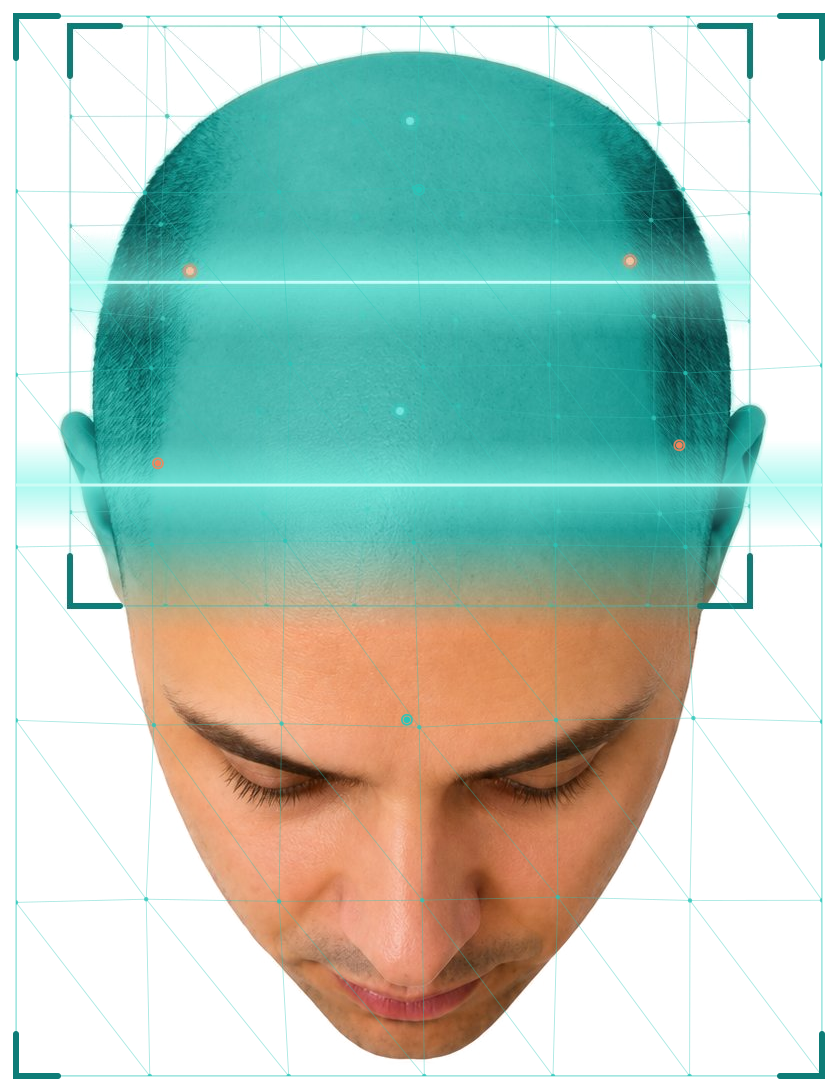
Early Signs of Balding Male: Spotting Hair
The loss of hair is not an instant event but a slow process. The majority of the men manifest it insidiously in tiny variations that are usually ignored.
The first evidence of male balding may come in the form of early signs of balding. The Early Signs of Balding.
Some of these signals can have a tremendous influence on the struggle to decelerate the hair loss and maintain the existing hair.
It is the belief of many men that hair fall occurs as a stress condition or is temporary.
Although shedding is normal, persistent thinning, changes in the hairline, and a reduction in the density can be indicative of the beginning of male pattern baldness.
Early awareness will enable you to research the preventive care, lifestyle change, and think of medical options when you are not at the later stages of hair loss.
This handbook gives details on the ways to detect the initial signs of male balding, understand the causes of the same, and when it should be considered a time to act.
In fact, be it a receding hairline, thinning crown, or excessive shedding, knowledge of what is regarded as normal versus something problematic gives you more power over your hair and self-esteem.
Introduction: Recognizing the Early Signs of Balding Male
Early signs of balding male. Most of the time, it begins in small bits with little change that can be overlooked easily. The first signs of male balding frequently appear without the creation of any bald patch.
The receding hairline, the thinning at the top, or even the growth of hair on your pillow, and these changes may not seem much at first, but these changes are most likely to mean that the male pattern hair loss has begun.
Normal shedding of hair is taken to be the beginning of male balding, which leads to a delay in taking the required measures by many men.
The result of this interruption is that hair follicles may get weaker, thus it will be harder to recover in the future.
The knowledge of these warning signs at the first stages will help you to preserve your remaining hair and seek treatment at the earliest.
By detecting the traits of male balding at the initial stage of development, you will be able to make informed decisions regarding hair care, changing lifestyles, and pharmaceutical intervention.
Early identification will help slow down hair loss to some extent, as well as assist you in keeping yourself confident and in control of your looks before the circumstance becomes harder to manage.
Table of Contents
Understanding Male Pattern Baldness and Androgenic Alopecia
Early signs of balding male is the most common cause of hair loss in men, which is clinical in nature and is known as androgenic alopecia. Genetics and hormones are the primary determinants of its effect.
When other male members of the family tend to experience early loss of hair, then there is a higher chance that you will develop it sooner, but it could be at an older age.
The condition results from the hair follicles being over-sensitive to a hormone known as DHT, or dihydrotestosterone. With age, follicles shrink due to DHT, resulting in thin and short hair strands.
Finally, the follicles could stop hair production. The process is progressive as a result, and therefore, it is important to detect the initial symptoms of balding in men.
Male pattern baldness, as a rule, occurs in a well-known sequence. It also begins at the temples or the crown and gradually expands.
Contrary to symptoms of hair loss due to any stress or underlying health conditions, androgen alopecia cannot be cured. The knowledge of this condition will eliminate confusion and avoid unrealistic expectations.
It is also effective in taking action in due time and thus being beneficial in sustaining hair and making it take many years before baldness is noticeable.
Key indicators that may signal early signs of balding in males:

Receding Hairline:
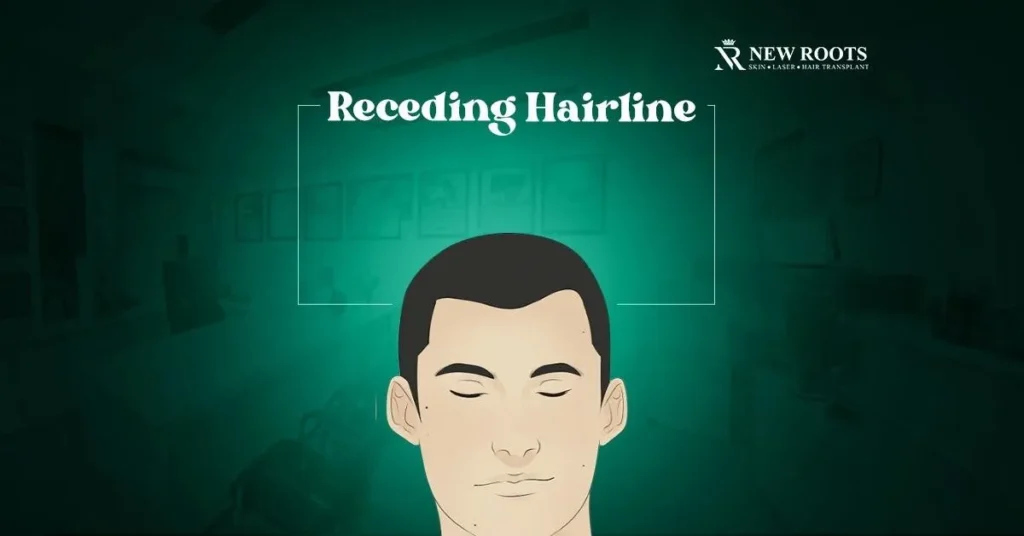
Includes the recession of the hairline slowly in an ‘M’ shape beginning from the temporal recesses. This is among the first signs that can easily be noted by anyone, most especially when it is the case of a newborn baby.

Increased Hair Shedding:
Hair loss beyond the normal rate, which can be observed when taking a shower, brushing hair, or finding hair strands on the pillow. It is, however, important to know that hair loss is expected whenever one is taking this remedy.
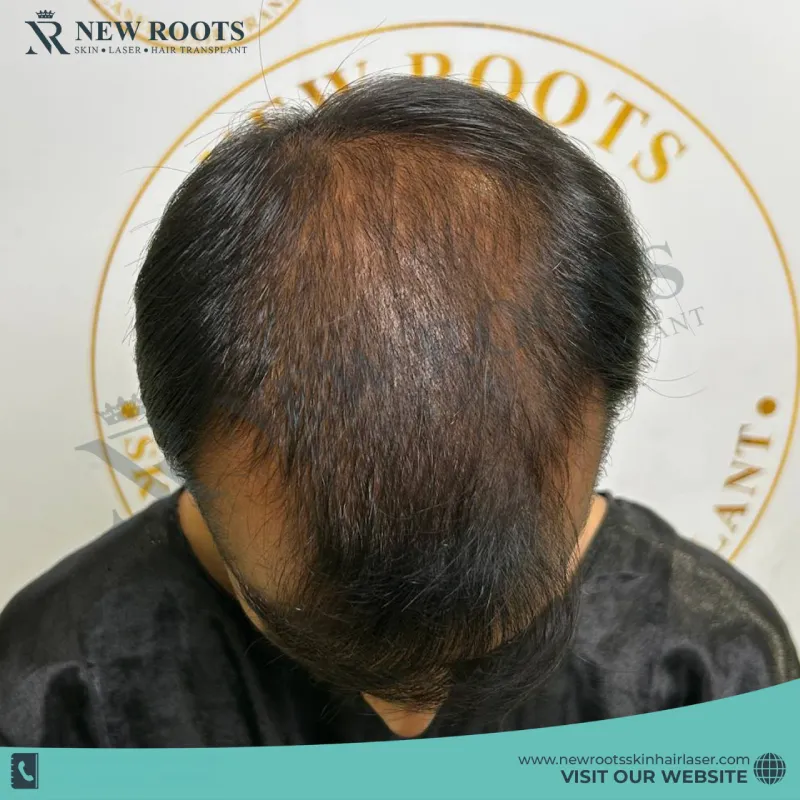
Thinning Crown:
A gap in the hair that is small in size and located at the vertex of the scalp that tends to widen over time. This is even more difficult to detect since it may take a good look at the mirror or some pictures from several years ago.

Changes in Hair Texture:
Hair loses its texture, becomes thinner, breaks easily, and follicles gradually disappear. The diameter of individual hair shafts can diminish.
Factors Causing Hair Loss Among Men
Genetics and Male Pattern Baldness:
Hair loss in men can be attributed to genetics because it is the main cause of this condition. Male pattern baldness arises when the hair follicles act in response to certain hormones that are predominant in males, resulting in gradual hairline receding and thinning. Family history is a major risk factor in male pattern baldness.
Hormonal Imbalances and Androgenic Alopecia:
Significantly, hormonal modifications are among the causes of hair loss. These imbalances save the hair from growing healthily; the hair follicles become shrunken, and the hair strands grow to be fine and quick, related to androgenic alopecia.
Lifestyle Elements and Hair Thinning:
Some factors include terrible food plan regimes, high-stress levels, and negligence in hair care, among others. Depriving hair follicles of essential nutrients, which include proteins, iron, and nutrients,s makes them vulnerable; pressure, alternatively, disrupts hair igrowth therefore inflicting brief hair loss.
Medical Conditions Impacting Hair Fall:
Several health disorders, such as thyroid problems, autoimmune disease, and microbial infections of the scalp, negatively affect hair development. Also, there are other factors, such as illness treatments, including chemotherapy, narrowed down to severe hair loss as well.
Hair follicle weakening or follicle damage can be described as a medical condition whereby hair follicles are negatively impacted, hence leading to hair loss.
The Science Behind Hair Follicle Weakening
Reduced hair shaft elasticity is another mechanism that leads to the development of male pattern baldness and other types of alopecia.
The small size of the hair follicles affects the size of the hairs produced in people with shorter hair and finer hair.
Balding can be attributed to different factors, consisting of genes, hormonal modifications, and lifestyle choices, which result in the advent of thinning hair.
Hair Loss Remedy Options:
Below are the potential hair loss cure treatments:
Minoxidil: A topical solution that is utilized in hair regrowth.
Finasteride: The tablets are aimed at preventing the synthesis of DHT.
Hair transplantation is a technique wherein hair follicles are shifted from one region of the scalp to another.
Laser remedy: this could be in the form of a low-degree laser treatment to join the hair follicles.
PRP Therapy: Usage of injected plasma containing many platelets so that growth can be initiated.
Lifestyle Changes: Diet, stress reduction, and proper hair care.
Hair Care for Balding: Maximizing What You Have
Germs and friction need to be avoided when you care for balding hair while choosing hairstyles that promote follicle health.
The prevention of hair loss comes through detangler usage and refusing to pull on hair while brushing or combing.
Roofs and barrettes that pull are the main cause of hair loss, since you should limit their tension when you use them on your hair.
The Role of Hairline Changes: Maturing vs. Receding
Natural aging causes changes to the hairline, but differentiating a typical mature hairline from hair loss requires proper examination.
Flat hair loss occurs smoothly following the original hairline structure, but receding hairlines typically develop chaotic patterns.

How old you are when your hair reaches maturity determines how your hairline appears overall at the age of thirty.
However, a receding pattern of hair loss will keep worsening until scalp balding becomes complete.
Understanding the specific characteristics of maturing versus receding hairlines enables people to make better decisions regarding their hair care.
When to Seek Professional Help: The New Roots Clinic and Doctors
Although hair loss may be temporary, noticeable, and may not bother your self-esteem, it becomes a major problem when it is permanent, noticeable, and begins to compromise your self-esteem.
It is also normal to shed occasionally, but when you find it gradually becoming thin, the hairline receding, the part beginning to widen, and the shedding beginning to increase with time in a span of several months, it is best to consult an expert.
Most of the time, people delay visiting a physician, preferring home remedies or products available over the counter. This period may result in additional development of hair loss and reduced efficacy of treatment.
When hair loss is which is the norm in your family, sudden or accompanied by scalp-related issues like Itch, dandruff, or reddening, then enlisting professional advice is especially important.
Depending on the underlying health condition, a qualified doctor can be in a position to ascertain whether it is genetic, hormone-related, stress-related, or due to an underlying health condition.
At New Roots Clinic, expert dermatologist apply advanced medical assessment techniques to evaluate scalp health and hair follicle condition.
You are not kept waiting lest you think it is something when they give you a definite diagnosis and a treatment plan that suits you to the ground.
Consultation early enough at New Roots Clinic helps in keeping your current hair intact, slows down your hold up, and helps in making safe and efficient choices with sufficient expectations.
Conclusion:
The loss of hair is not a sudden occurrence. It usually starts at a slow pace, and the slight changes that may be hardly noticeable usually take place.
The initial symptoms of balding in males normally manifest themselves much earlier, before a major bald region is noticed.
The loss of hair at the top, a slight receding hairline, or excess hair behind your pillow may not be anything much to be worried about, but what generally happens is that these alterations are the beginning of the male pattern hair loss.
The early symptoms of male balding may be confused with normal shedding of hair in many men, thus prolonging the required measures.
This latency will make the recovery harder in the future as the hair follicle may be weakened further. The awareness of such early indication signs is able to save your remaining hair and seek treatment early.
By identifying the initial signs of male balding, you will be able to make wise decisions concerning the hair care system, the changes in lifestyle, and the medical assistance.
Early diagnosis not only slows down the process of losing your hair but also helps to maintain confidence and control over your looks before the situation gets harder in the process.
Q&A ASK:
It is essential to pay attention to an M-shaped hairline developing at your temples as well as hair thinning near your crown. Pay attention to thinning hair both at the crown and the vertex part of your head. Increased hair shedding and changes in hair texture are also early signs of male balding.
Hairs fall naturally through shedding in quantities between 50 and 100 each day. Early signs of balding in males include consistently losing more hair, noticing thinning patches, or a receding hairline. Monitor hair density and hairline changes over time to determine if early signs of balding in males are present.
Early signs and signs of balding in males can begin as early as the late teenagers or early Nineteen Twenties for a few guys, however, it is more commonplace to look at them in the Nineteen Thirties or Nineteen Forties. Genetics plays a giant function in figuring out when early signs and symptoms of balding in males appear.
A key early signal of a balding male is the formation of an M shape as the hairline recedes near the temples and forehead. Gradual thinning at the front or aspects of the hairline also indicates viable early signs and symptoms of a balding male.
Examine the crown of your head for thinning, another of the early signs of a balding male. Placing a mirror on your head lets you inspect the elevations of your scalp and any growing space between your hair and scalp. Diffuse thinning throughout the scalp can also be an early sign of male balding.
While stress and poor diet can contribute to hair thinning, they aren’t direct early signs of balding in males. Those with hereditary risk factors will experience quicker hair loss when stress factors come into play. Address these factors to support hair health alongside monitoring early signs of balding in males.
Dermatologists can use tools like trichoscopy to observe hair follicles closely and come across miniaturization, confirming early signs of balding in males earlier than apparent baldness appears. They can also determine scalp fitness and rule out other situations, making an allowance for set-off control of early symptoms of balding male


