
Table of Contents
Women’s hair loss is a more frequent phenomenon than most people think, but it is still often misunderstood or neglected until the time when it becomes visible.
Women, unlike men, generally undergo gradual thinning rather than complete baldness, underscoring the importance of early detection.
Noticing and admitting to the problem at an early stage is the key to getting it diagnosed and treated effectively; hence, knowing the hair loss stages, the whole process of hair loss, and the kinds of hair loss stages that women go through will help a great deal.
This publication unfolds the different female hair loss stages, the early warning signs, the typical hair loss patterns of women, and the treatment options that are available at every stage.
Understanding Female Hair Loss
Female hair loss is a condition in which hair falls out in excess, becomes thinner, or loses density due to factors such as hormonal fluctuations, genetics, nutrient deficiencies, health problems, or lifestyle changes.
Feminine pattern hair loss is the most common type, but there are also other causes, such as medical conditions that lead to different stages of hair loss.
On the contrary, losing hair in a pattern due to hormonal changes or old age is not sudden, like the case of illness or stress.
The gradual hair loss that accompanies aging is usually very slow, and recognizing the different stages that female patients go through with their hair loss makes it easier to treat the problem earlier, thus leading to a better outcome.
Early Signs of Hair Loss in Women
A woman will not lose all her hair overnight. The beginning of hair loss is very quiet and oftentimes treated as just temporary shedding.
Some of the most common early warning signs are:
- More hairs falling off while the hair is being washed or brushed
- Less volume in ponytails or braids
- The central hair part is becoming wider
- Hair feels thinner and softer
- Grown hair not reaching the usual length in time
All these symptoms together signal the start of the hair loss process and should not be taken lightly.
Stages of Hair Loss in Women
In women, hair loss goes through distinguishable stages. The duration and intensity are subject to the factors causing it.
👉 Stage 1: Mild Thinning (Early Hair Loss Stage)
Women’s hair loss in the form of mild thinning is very hard to detect. This stage usually goes unnoticed, even by the woman herself, as it is very subtle.
Characteristics:
The hair part becomes slightly wider
At the crown, there is mild thinning
Hair loss per day is higher than usual
No bald areas are seen
Follicles are still alive, but their growth cycle has shortened. Hair eventually becomes thinner due to miniaturization, the process by which hair strands become thinner over time.
Treatment Options:
Nutritional correction (iron, protein, vitamins)
Stress management
Shampoos with medicine
Early-stage medical therapies
The scalp is still quite healthy at this stage, so doctors will give their patients a trial of topical minoxidil (Rogaine) while recommending nutritional improvement and stress reduction measures. Early intervention will allow regrowth and/or the hair loss to progress slowly during this period.
👉 Stage 2: Noticeable Thinning (Moderate Hair Loss Stage)
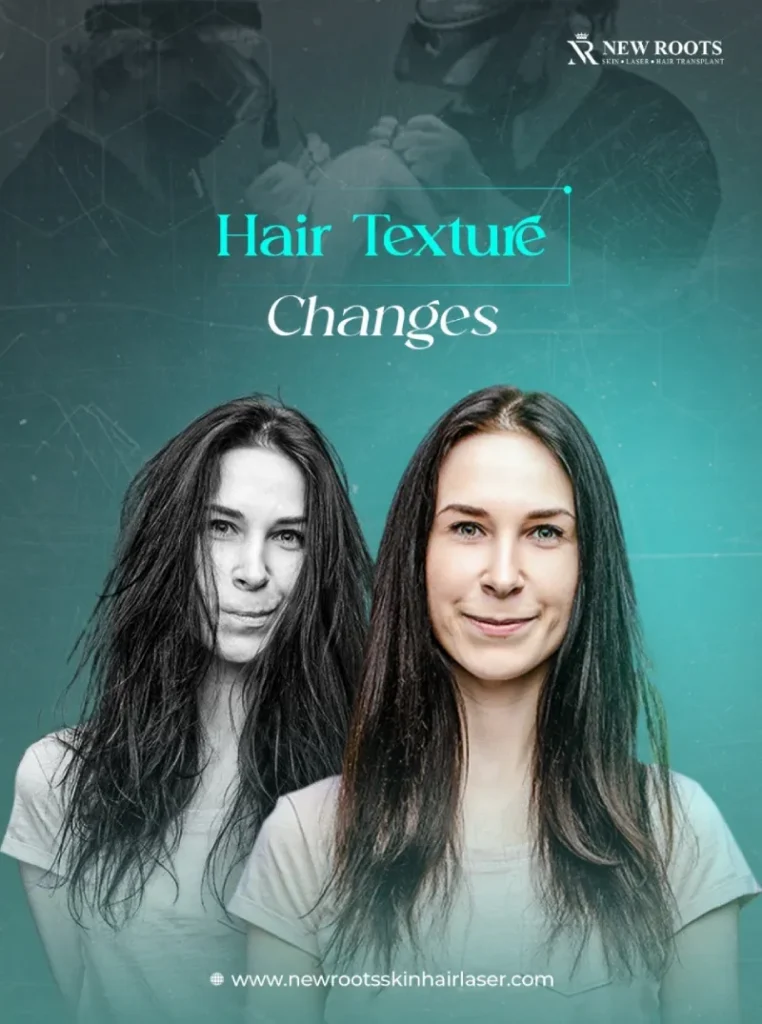
At the second stage, hair loss is most apparent and can definitely be seen by bright light and hair being styled.
Characteristics:
Parting line very obviously widened
Crown with less hair
Flat and lifeless appearance of the hair
Scalp seen more than ever before
Active hair loss in women is indicated by this stage, when hair follicles are still producing hair that is thinner and weaker.
Treatment Options:
Topical medications for the stimulation of follicles
Hormonal treatment and evaluation
Drugs prescribed by a doctor
Treatments with the use of platelets
Patience is a must, as it will take quite some time before results are visible due to the slow process of hair growth.
👉 Stage 3: Advanced Thinning (Severe Hair Loss Stage)
Big damage to the hair follicle with long-term progression is shown by this stage.
Characteristics:
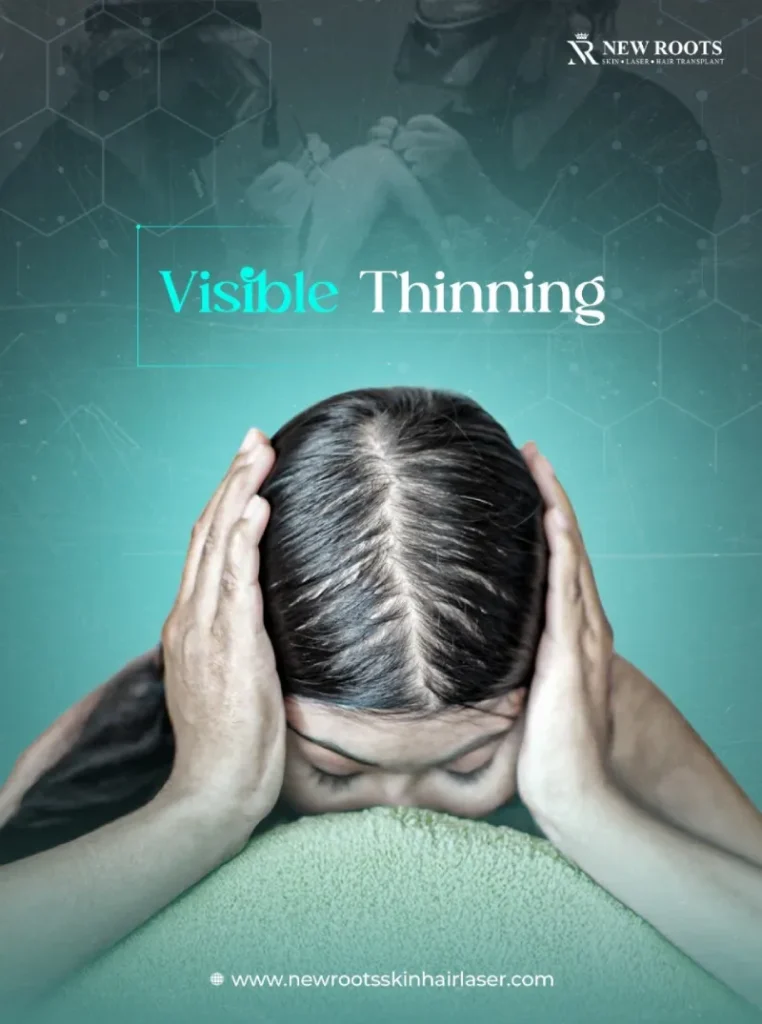
A lot of scalp was opened up
Great thinning on the crown and the head
Part of the hair looks very wide
The hair is incredibly fine
Just because the follicles are weak does not mean they are dead; in fact, many of them are still alive but just not growing.
Treatment Options:
Combination therapies with medicine
Advanced treatments with regenerative therapy
Procedures that stimulate the scalp
Solutions for cosmetic hair density
The possibility of early surgical options will depend on the quality of the donor hair.
👉 Stage 4: Extensive Hair Loss (Late Hair Loss Stage)
This is the utmost state of baldness in females.
Characteristics:
Dramatic loss of hair on the complete top of the head
Very little hair is there to cover
Hard to do hair in a way that would hide the thinning
Natural growth is very little
Most hair roots are inactive or not working at this stage.
Treatment Options:
Hair transplantation in cases where it is appropriate
Cosmetic procedures like wearing wigs
Long-term medical care to keep the little hair that is left
At this point in time, having realistic expectations is crucial.
Types of Hair Loss Stages in Females
Female hair loss is not equally patterned in every case. Therefore, knowing its kind is crucial to deciding the right treatment approach and progression to expect.

1. Female Pattern Hair Loss
This represents the most common type of hair loss among women. It is marked by slow thinning of hair at the crown and the top of the head, with no or very little change at the hairline.
Over time, hair follicles gradually shrink, leading to less density. This condition moves through all the usual stages of hair loss that female patients usually experience.
2. Telogen Effluvium
Telogen effluvium can be defined as a temporary hair loss situation brought about by causes such as physical stress, illness, childbirth, surgery, or lack of proper nutrition.
The sudden loss of hair occurs in a widespread manner on the scalp. If the underlying cause is identified and treated, the hair growth usually returns.
3. Alopecia Areata
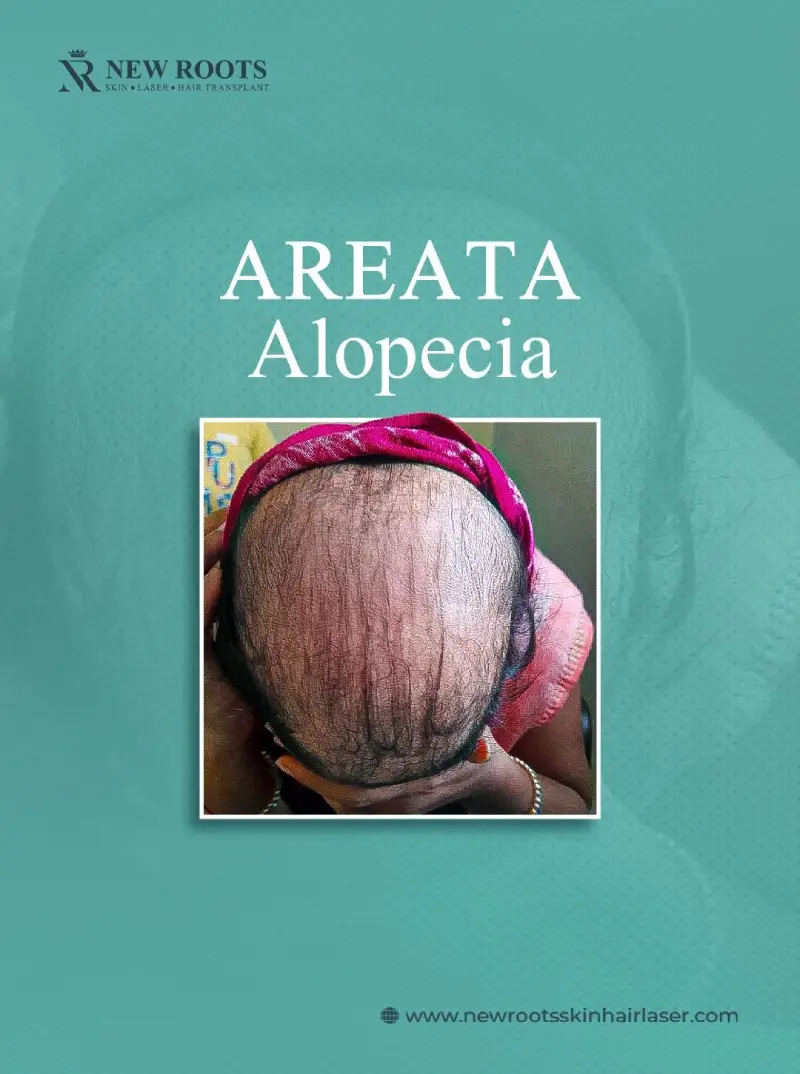
It is an autoimmune disorder where the body’s immune system targets the hair follicles, resulting in hair loss in patches. The area of hair loss can spread, but this does not occur according to the traditional hair loss stages.

4. Traction Alopecia
The type of hair loss associated with this condition is caused by continued pulling pressure that comes from wearing tight hairstyles. In the early stages, the loss can be reversed, but later on, the hair may not grow back.
Causes That Influence Hair Loss Progression
Several factors determine the rate of hair loss in women:
- Genetics
The sensitivity of the hair follicles inherited from the parents may result in gradual thinning and the eventual female pattern baldness. - Hormonal imbalance
The change in estrogen level, excess androgen, or the post-baby hormonal shift could interfere with the normal hair growth cycle. - Thyroid disorders
Whether the condition is an underactive or an overactive thyroid gland, both affect the follicles and result in hair loss in patches. - Iron deficiency anemia
The lack of iron in the body causes a decrease in the amount of oxygen brought to the hair follicles, which results in their weakening and, consequently, more hair fall. - Polycystic ovarian syndrome
The hormonal imbalance of PCOS usually leads to gradual hair loss in women - Chronic stress and crash dieting
In both scenarios, the follicles are brought to the resting stage, thus hastening the hair loss.
Treatment Options Based on Hair Loss Stages
The effectiveness of treatment is determined to a large extent by the stage of treatment onset.
👉 Early Stages:
- Changing lifestyle as well as eating habits to minimize stress and promote overall health
- Providing nutrients to rectify the shortage that adversely affects the growth of hair
- Using medical-grade hair products to make the hair shafts stronger and give support to the follicles
- Applying preventive therapies for slowly developing loss of hair in the early stages
👉 Moderate Stages:
- Using prescription medicines to encourage the hair follicles and bring down thinning
- Equilibrating hormones when their imbalance causes hair loss
- Using aggressive scalp treatments to enhance the activity of the follicles and increase the density of the hair
👉 Advanced Stages:
- Marrying medical and cosmetic approaches to control the drastic thinning of hair
- Doing hair restoration surgeries in those who fit the profile
- Having long-term strategies to keep the uploaded hair from falling
Emotional Impact of Female Hair Loss
In women, hair loss can be a major factor in the decline of self-esteem, a lack of confidence, and a decrease in overall emotional wellness.
The gradual process of hair thinning has made women feel more anxious, frustrated, and self-conscious about their looks.
Hair loss can cause social isolation, loss of self-esteem in business or personal activities, and worrying about one’s hairstyle.
The gradual process of female hair loss usually contributes to the problem because the changes are, e.g., slow but persistent. What’s more, the earlier the diagnosis, the quicker the treatment, and the better the result in both keeping the hair and psychological health.
Besides, not only does the early detection of hair loss lead to the reduction of emotional stress, but it also helps in the maintenance of psychological well-being in the long run.
When to Seek Professional Help
It is suggested to seek consultation in the following cases:
- Hair fall persists beyond three months
Consultation with a doctor may help rule out medical or hormonal causes in case of continuous shedding that lasts longer than the normal hair cycle. - Hair density reduces noticeably
The signs of thinning hair, such as lessening ponytail volume or the widening of the part in the hair, indicate that the loss process is continuing. - The scalp becomes visible
Under regular lighting, the increased visibility of the scalp means the hair loss is already in the advanced stage and needs immediate attention. - Family history of hair loss exists
Predisposition will not only have the risk of progressive hair thinning, but will also be the one who can take advantage of early monitoring.
Professional intervention at an early stage ensures the success of the treatment to a large extent by means of revelation of causes and preventing further hair loss progression.
Conclusion
It is crucial to understand the phases of hair loss, to be able to detect the first signs, and to be aware of the specific types of women’s hair loss for good management. Women’s hair loss is a gradual process, but proper medical help at the right time can delay or even stop the loss of hair that is going on very fast.
We can say that the earlier the stage at which the intervention is made, the better the result. Hair loss management in women is successful if there is awareness, consistency, and realistic expectations.
Frequently Asked Questions (FAQs) on Hair Loss Stages in Females
The condition of hair loss in women normally goes through gradual stages instead of baldness. It begins with a small decrease in the number of hairs, and this is followed by the hair part becoming noticeably wider, then advanced thinning on the top, and lastly, heavy hair loss. The aforementioned stages of hair loss are different among female patients and depend on genetics, hormones, and overall health conditions.
Women’s hair loss is usually characterized by a general thinning of the hair on the top of the scalp while the frontal hairline remains mostly intact. On the other hand, men’s hair loss is usually marked by the receding of the hairline and the appearance of bald spots. The rate of hair loss in women is slower and less aggressive, but still, it can be severe if no treatment is given.
Of course, in the beginning, the hair follicles are still alive. If the right treatment is applied in time along with lifestyle changes and good nutrition, hair loss can be stopped or partially reversed in many cases.
The causative factors are mostly hereditary, hormonal changes, iron deficiency, disorders of the thyroid gland, stress, and medical problems such as polycystic ovary syndrome (PCOS). Knowing the cause helps in prescribing the right treatment.
It is advisable to seek professional evaluation if the hair loss persists for more than three months, the hair part becomes noticeably wider, or scalp visibility increases. Early intervention enhances the results for all hair loss stages.


