
Table of Contents
Hair fall is considered one of the top issues that both men and women have to deal with nowadays. It can be very upsetting to lose hair so much that clogged shower drains or bare scalp spots become the least of your worries.
The good news is that by knowing the factors that contribute to hair loss and at the same time, doing the right care routine, one can be able to save the problem and regain self-esteem.
This guide discusses the reasons behind hair fall, the measures one can take to manage it effectively, and the treatments that are really effective in the long run.
Understanding Hair Fall: What Is Normal and What Is Not
It is absolutely normal to lose a small quantity of hair each day. As a usual case, an individual loses 50-100 hair strands every day due to the natural hair cycle.
Hair growth takes place in stages—growth (anagen), rest (telogen), and shedding (exogen). Issues occur when the amount of shedding exceeds the amount of regrowth.
In case you see:
- Too much hair on your pillow or comb
- Part lines are becoming wider
- Hair volume is getting reduced
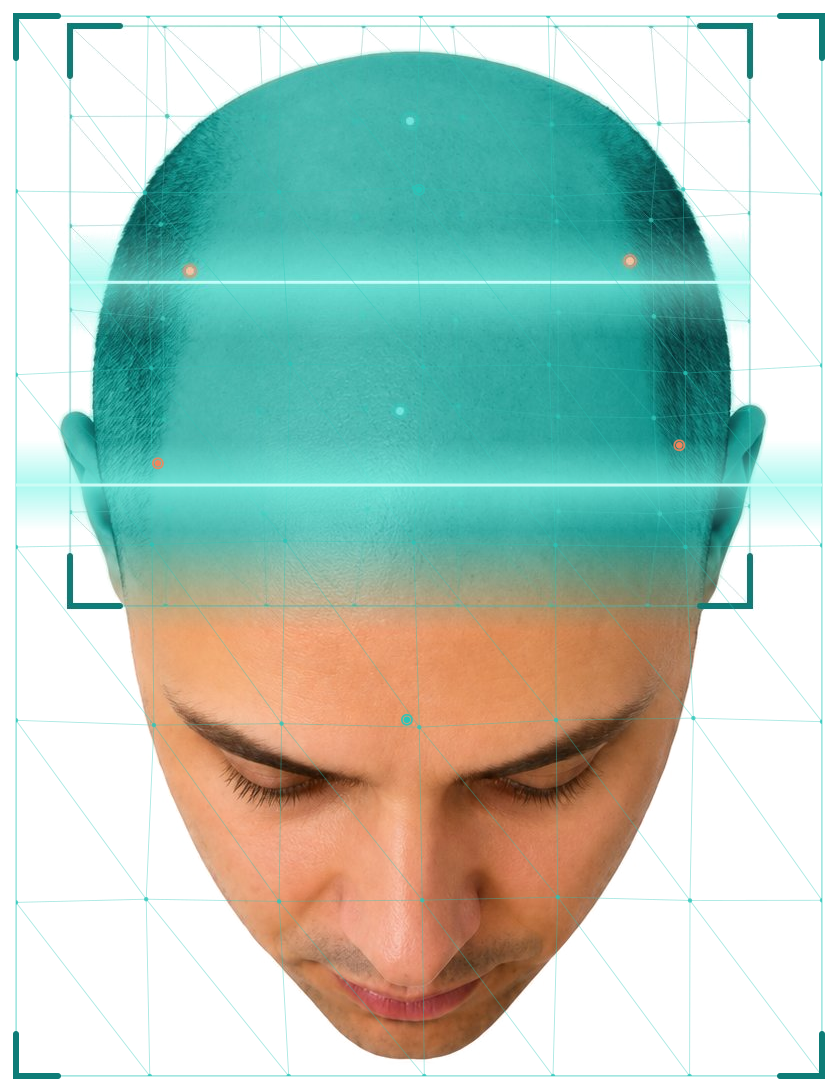
- Crown or temple areas are getting thinner
These could be signs of unusual hair loss that needs care.
Reasons for Thinning Hair
The first thing to do in the process of reducing hair fall is to figure out the main reason why it is happening. Usually, hair thinning has more than one cause; the combination of internal and external factors is responsible for it most of the time.
1. Genetic Hair Loss
The most widespread cause of hair thinning is heredity. Both male and female pattern baldness are inherited genetically, and their occurrence is usually gradual. In the case of men, it tends to start at the temples or crown, while women suffer from overall thinning.
2. Hormonal Imbalance
Hormones determine hair health to a large extent. Thyroid dysfunction, polycystic ovary syndrome (PCOS), maternity, parturition, and menopause are some of the stages when hormonal changes occur and can lead to excessive shedding of hair.
3. Nutritional Deficiencies
All the essential nutrients like iron, protein, zinc, biotin, and vitamin D are responsible for strong hair roots. On the contrary, certain diets, along with irregular eating habits, always lead to more hair fall.
4. Stress and Lifestyle Factors
The constant stress causes chronic conditions that make hair fall more from the scalp. Poor sleep quality, smoking, and lack of physical activity are other factors that contribute to poor circulation in the scalp.
5. Scalp Issues
Dandruff, fungi, overabundance of sebaceous secretions, and an unclean scalp are reasons that block hair follicles and cause hair to become thinner, thereby making hair fall faster.
6. Heat and Chemical Damage
Such hair-dos as styling, coloring, straightening, and applying harsh chemicals regularly leave the hair shaft weaker. Consequently, breakage occurs, which has a similar appearance to hair falling.
How to Prevent Hair Fall Naturally
Every day, taking care of hair fall prevention might be considered a daily routine. The focus should not be on quick and easy solutions but on being consistent.
Maintain a Balanced Diet
Hair consists of protein, and consequently, your diet should be a protein-rich one. You can add:
- Meat proteins
- Vegetables that are green and have leaves
- Seeds and nuts
- Fruits that have a lot of antioxidants
A person with good body health will have strong and thick hair as a sign of good health.
Stress and Anxiety Levels Management
If one desires to control hair fall or learn how to do it, then stress management becomes a primary area. Through regular sports, meditation, breathing exercises, and a good night’s sleep, hormones get balanced, and the blood supply to the scalp gets improved.
Use Care for Your Hair
Strong brushing should not be done, especially on wet hair. Use a comb with wide teeth and do not do tight hairstyles that put pressure on the roots.
Scalp Oil Massage
Light oil routine with regular scalp massages improves blood flow and nourishes hair follicles. Apply soft, gentle pressure 2–3 times a week without overdoing it.
Heat Styling Should Not Be Done Too Much
The use of blow dryers, straighteners, and curling tools should be minimized. Heat makes the hair shaft weaker, and the result is that it gets broken easily after a while.
How to Reduce Hair Fall Through Daily Hair Care
Your everyday haircare routine is a crucial factor in hair loss control and the overall healthy state of your scalp. The implementation of tiny yet steady habits can, in the long run, cut down breakage and excessive shedding significantly.
Pick the Correct Shampoo
Utilize gentle shampoos free of sulphate that purify the scalp without taking away the natural oils. Stripping the scalp of its moisture can result in dryness and irritation if you do it too frequently, and if you do not wash it often enough, you might have product buildup that leads to weakening of hair roots.
Use Conditioner Regularly
Conditioners will not only make the hair softer, but also they will lessen friction, which is the major cause of breakage. Apply the conditioner primarily to the mid-lengths and ends of the hair, avoiding the scalp to prevent weighing down and clogging of the hair follicles.
Never Neglect Scalp Care
For satisfactory hair regrowth, a clean and healthy scalp is a prerequisite. Occasional exfoliation of the scalp will result in the removal of dead skin cells, an increase in blood circulation, and improved absorption of hair growth treatments and serums.
How to Control Hair Fall With Medical Treatments
In cases where the changes in lifestyle do not suffice, the medical intervention can still contribute to a significant extent in the process of reducing hair fall and making the scalp more suitable for the regrowth of hair. These options are nearly always prescribed only after the cause of hair loss has been determined.
Topical Solutions
Some topical treatments are capable of positively influencing the blood circulation in the scalp and prolonging the active hair growth phase. Usually, they are prescribed for genetic hair loss and thinning and are most effective with long-term, consistent use.
Oral Medications
Sometimes, doctors may suggest taking oral medication that would either balance hormones or lessen hair follicle sensitivity. All these treatments can successfully delay the onset of hair loss, but must always be taken under strict medical supervision.
Nutritional Supplements
Targeted supplements can help to raise the nutrient levels if blood tests indicate any deficiencies. It is better not to self-medicate, as taking excessive or incorrect supplementation can be a cause of hair fall rather than of hair growth.
Advanced Treatment Options for Hair Loss
When it comes to severe hair loss or thinning, modern treatments can yield significant results where hair care and medications fail. These methods, however, are only suggested to be the last resort after a thorough discussion with a doctor.
Platelet-Based Therapies
These techniques improve hair and scalp condition through the patient’s blood and its concentrated growth factors. They are not solely in the treatment process but rather as a support provided from the overall effect of hair restoration, combined with other methods.
Microneedling
The procedure creates tiny wounds to the scalp, which results in the production of collagen and increased blood supply. Moreover, it improves the absorption of topical agents, hence, reviving weak or inactive hair follicles.
Hair Transplant Surgery
In the situation where hair loss is no longer reversible, surgical hair restoration is the only pathway leading to permanently replaced healthy follicles from donor sites to areas of thinning or balding.
Hair Fall in Men vs Women
Hair loss patterns and reasons vary considerably between men and women, thus making custom care necessary.
In Men
Hair loss normally starts at a younger age and follows a certain pattern, first in the temples or crown area. This type of hair loss is often caused by the genetic susceptibility of hair follicles.
If no treatment is applied, it may lead to loss of all hair in that area, which is why early intervention is very important in order to slow down thinning and keep the hair that already exists.
In Women
Women usually suffer from hair loss that is scattered all over the scalp not in bald areas. Hormones, lack of proper nutrition, stress, pregnancy, and menopause are more frequent causes.
By knowing these differences, it is easier to choose the right hair treatment for women and also to know how to effectively prevent hair loss for men and women.
Myths About Hair Fall You Should Stop Believing
- Washing frequently leads to hair fall – False. Losing hair while washing is a usual thing and usually means that hair is already in the phase of falling.
- Oil application overnight prevents hair fall immediately – False. Oiling improves scalp health and stimulates blood circulation, but it would be wrong to consider it as a quick solution for the problem of hair loss.
- Disappearance of hair fall implies permanent hair loss – Not necessarily. Several types of hair fall are temporary and reversible if the cause is treated.
- Regular trimming of hair leads to less fall – False. Trimming changes the length and appearance but does not affect the growth of hair or the strength of roots.
- Hair fall is due only to inadequate hair care – False. Among the less common factors, hormonal imbalance, stress, genetic predisposition, and a short supply of essential nutrients are often the primary ones.
Dispelling these myths will help you to make the right choices and focus only on the right, long-lasting hair care methods.
When Should You See a Specialist?
In case you face any of these problems or changes with your hair, do it and visit a hair specialist:
- You do everything, and nothing seems to work; hair fall lasts over three months.
- You keep finding more and more hair on your brushes, and it looks like the normal daily loss is already.
- Your scalp is giving you problems, and there are areas where the hair seems thinner and even absent.
- The falling of your hair coincides with fatigue, unexplained changes in your weight, or symptoms of hormonal disturbances.
Persistent hair loss is an indication of possible underlying medical, nutritional, or hormonal conditions that need expert assessment.
Through a combination of clinical examination and tests, a specialist can first pinpoint the cause and then suggest the best possible treatment.
Getting an early diagnosis gives a big boost to treatment success, and thus prevents further hair thinning, and also increases the chances of gradually restoring hair strength and density.
Long-Term Hair Fall Prevention Strategy
To keep your hair healthy and beautiful over time:
- Eat food rich in nutrients that not only support but also stimulate hair growth and strength
- Keep stress levels under control by taking help from such methods as exercise, sleep, and relaxation
- Incorporate very mild hair care practices into your daily life to minimize the risk of hair breakage and damage to the scalp
- Limit your exposure to harsh chemical treatments and high-temperature styling tools as much as possible
- Get professional help early on to get to the root of the problem
Knowing how to stop hair loss is not about finding the right product or treatment, but rather a question of a long-term commitment to care, healthy habits, and informed choices, which together will result in the prevention of hair loss.
Conclusion
Shedding hair is one of the common problems people face, which can be properly handled if the proper measures are adopted.
Not only can you significantly reduce the loss of hair, but also your hair’s power will be improved by being aware of the reasons that lead to hair thinning, following good habits, and picking suitable treatment methods.
If you aim to know how to stop hair fall and at the same time restore fullness and escape future thinning, the right moves are taking action early and being patient.
The first step to having beautiful, thick hair is having a healthy scalp, leading a balanced life, and being patient. The right method of hair care can guarantee your hair’s health for a lifetime.
FAQs on Hair Fall
Genetic factors are the leading ones, together with others, such as hormonal imbalance, poor nutrition, stress, infections of the scalp, and the unwrapping or exposure to heat and/or chemicals in beauty treatments. It is recognized that certain lifestyle habits, such as poor sleeping patterns, intense dieting, and smoking, can also contribute to this process by weakening hair roots over an extended time.
Preventing hair fall is no longer a mystery if you pay attention to eating a balanced diet, using good and gentle hair care products, managing your stress, and following the right scalp hygiene. Moreover, make sure to avoid tight hairstyles, really strong shampoos, and too much heat styling to protect your hair roots.
Reducing hair loss naturally can be done by working on one’s nutrition, scalp massage, stress reduction, and a consistent hair care routine. Natural remedies are most effective when done regularly for a few months.
Exercises, meditation sessions, good night’s sleep, and a balanced work-life are activities that not only reduce stress but also keep the hormones in check while the blood flow to the scalp is enhanced. This is one of the effective ways to control hair loss.
If the hair loss lasts for longer than three months, suddenly worsens, or is accompanied by thinning of the scalp or other problems, then getting a professional evaluation is necessary for the proper diagnosis and treatment.


