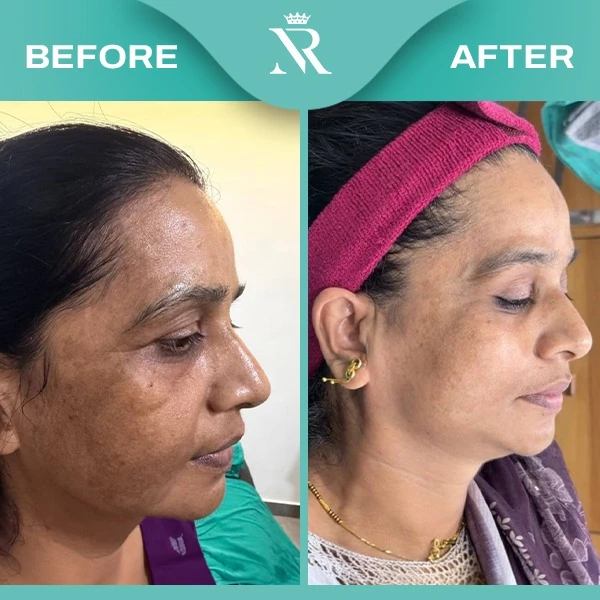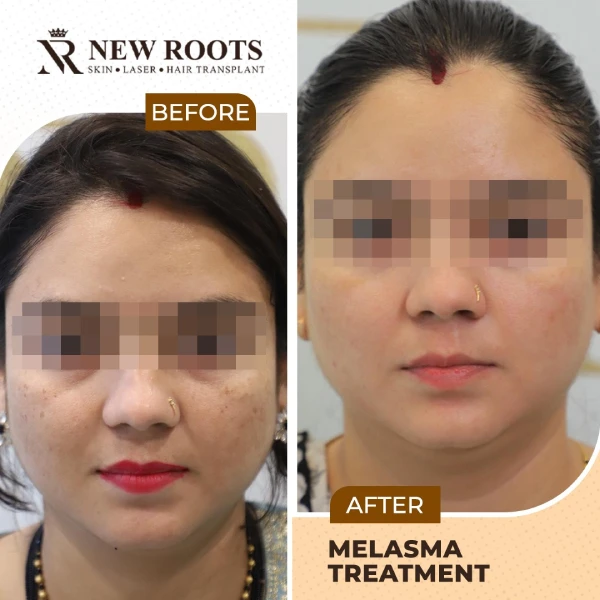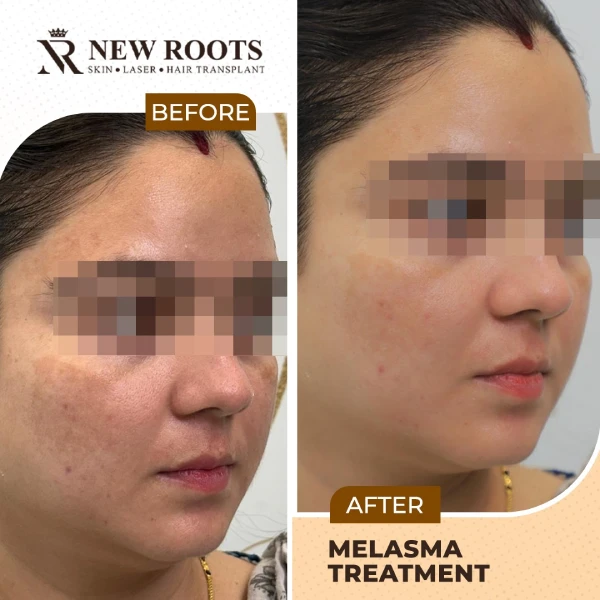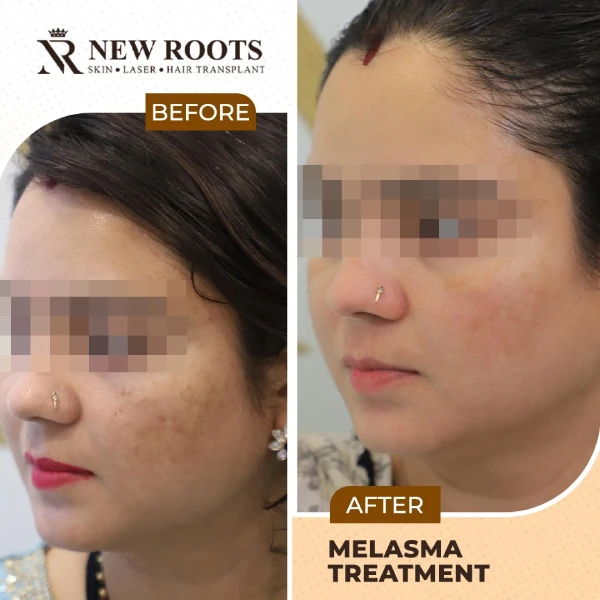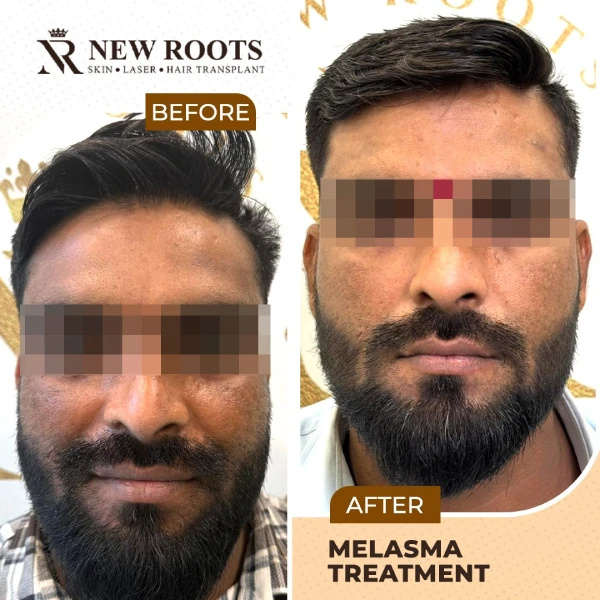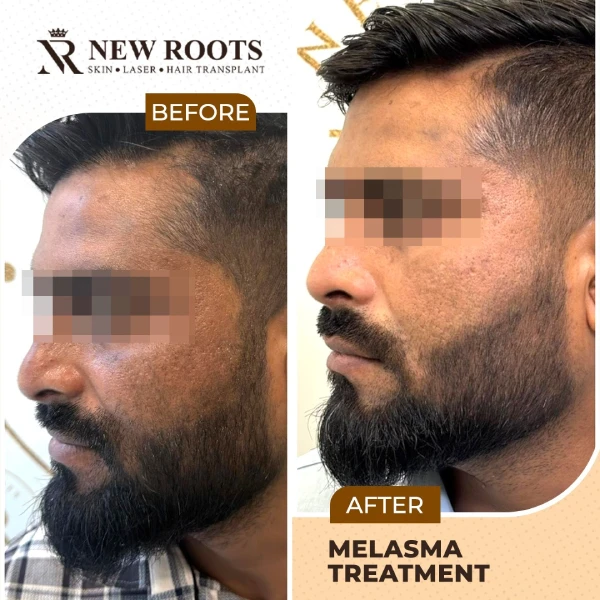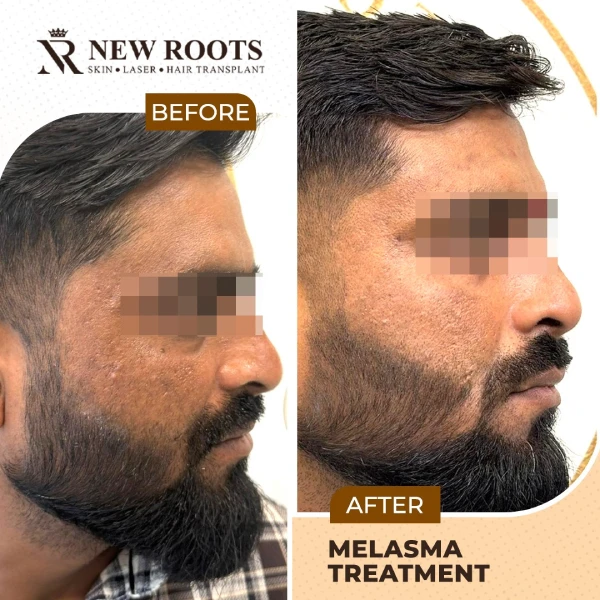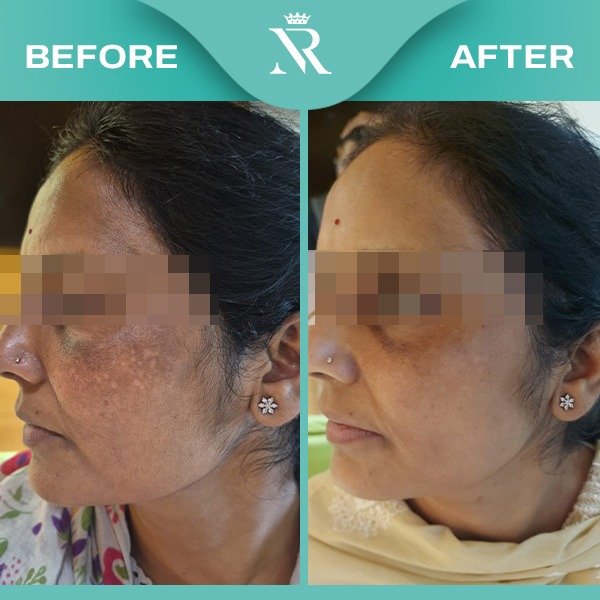

Melasma Treatment – Advanced Solution for Pigmentation-Free & Radiant Skin
Table of Contents
ADVANCED MELASMA TREATMENT FOR CLEAR, EVEN-TONED SKIN
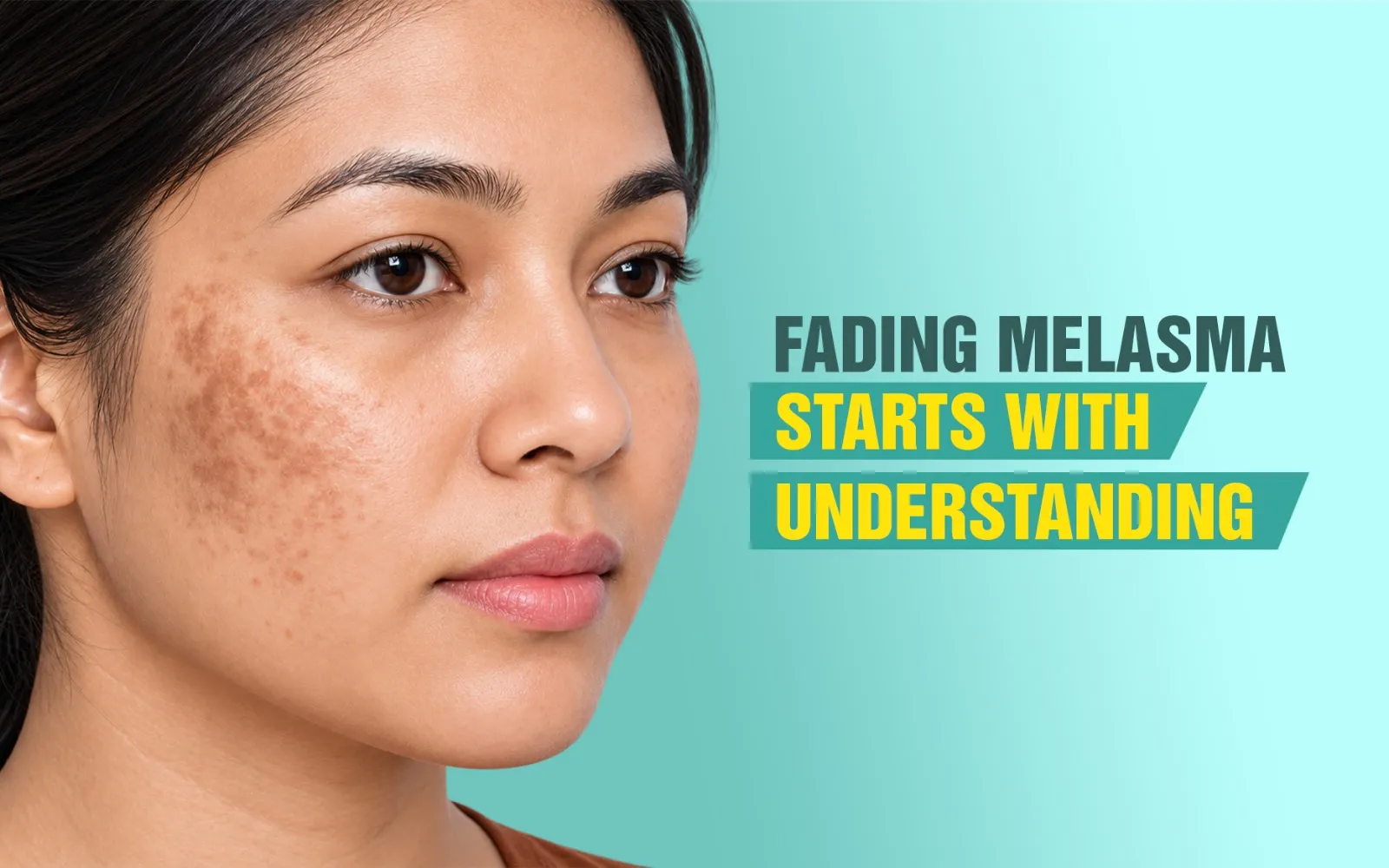
Melasma is a common skin pigmentation condition that causes brown, grey-brown, or dark patches to appear on the face. These patches commonly develop on the cheeks, forehead, nose, upper lip, chin, and jawline, often affecting a person’s confidence and overall appearance. Although melasma is not harmful, it can be challenging to manage without professional treatment, as pigmentation tends to recur when underlying triggers are not addressed.
At New Roots, we offer advanced melasma treatment solutions tailored to each individual’s skin type and pigmentation concerns. Our goal is not only to reduce existing pigmentation but also to help prevent future recurrence through a comprehensive and personalized treatment approach.
WHAT IS MELASMA?
Melasma is a chronic pigmentation disorder caused by excessive production of melanin, the pigment responsible for skin color. This excess melanin accumulates in certain areas of the skin, resulting in visible dark patches and uneven skin tone.
Melasma is most commonly seen on the face but can occasionally affect other sun-exposed areas of the body. The condition is more prevalent in women, especially during pregnancy and hormonal changes, although men can also develop melasma.
COMMON AREAS AFFECTED BY MELASMA
- Forehead
- Cheeks
- Nose
- Upper Lip
- Chin
- Jawline
- Neck
- Areas frequently exposed to sunlight
CAUSES OF MELASMA
Melasma is usually triggered by a combination of internal and external factors.
Sun Exposure
Ultraviolet (UV) rays and visible light stimulate melanocytes, causing increased melanin production and worsening pigmentation.
Hormonal Changes
Pregnancy, oral contraceptives, hormone replacement therapy, and hormonal imbalances are among the most common triggers of melasma.
Genetic Factors
Individuals with a family history of melasma may have a higher likelihood of developing the condition.
Heat Exposure
Excessive exposure to heat from cooking, steam, saunas, and outdoor environments can aggravate pigmentation.
Certain Medications
Some medications can increase photosensitivity and contribute to pigmentation issues.
Skin Inflammation
Irritation from harsh skincare products, aggressive treatments, or skin injuries may worsen melasma.
Thyroid Disorders
Research suggests that certain thyroid-related conditions may be associated with melasma in some individuals.
TYPES OF MELASMA
Understanding the type of melasma helps determine the most effective treatment plan.
Epidermal Melasma
Pigment is present in the superficial layers of the skin. This type generally responds well to treatment and often shows faster improvement.
Dermal Melasma
Pigment is located deeper within the skin, making treatment more challenging and requiring multiple sessions.
Mixed Melasma
A combination of epidermal and dermal pigmentation. This is one of the most commonly diagnosed forms of melasma.
Vascular Melasma
In some cases, increased blood vessels contribute to pigmentation, requiring specialized treatment approaches.
SYMPTOMS OF MELASMA
You may have melasma if you notice:
- Brown, grey-brown, or dark patches on the skin
- Uneven skin tone
- Symmetrical pigmentation on both sides of the face
- Darkening of pigmentation after sun exposure
- Persistent discoloration despite using regular skincare products
- Gradual increase in pigmentation over time
RISK FACTORS FOR MELASMA
Certain factors can increase the likelihood of developing melasma:
- Frequent sun exposure
- Pregnancy
- Hormonal fluctuations
- Family history of melasma
- Darker skin tones
- Thyroid disorders
- Use of hormonal medications
- Excessive heat exposure
- Inadequate sun protection
WHY PROFESSIONAL MELASMA TREATMENT IS IMPORTANT
Melasma is often resistant to over-the-counter products and home remedies. Treating pigmentation without identifying the underlying cause can lead to temporary improvement followed by recurrence.
Professional treatment helps:
- Reduce visible pigmentation
- Improve overall skin tone
- Target deeper pigment deposits
- Prevent worsening pigmentation
- Minimize recurrence
- Improve skin clarity and radiance
- Develop a long-term skin maintenance plan
MELASMA TREATMENT OPTIONS AT NEW ROOTS
Every patient’s skin condition is unique. After a detailed consultation and skin assessment, our experts create a customized treatment plan based on the severity, depth, and type of pigmentation.
👉 Laser Toning
Laser toning uses advanced laser technology to target excess melanin while preserving the surrounding skin.
Benefits
- Reduces pigmentation
- Improves skin brightness
- Enhances skin texture
- Minimal downtime
- Suitable for various skin types
👉 Q-Switched Laser Treatment
Q-switched laser technology breaks down pigment particles into microscopic fragments that are naturally removed by the body.
Benefits
- Effective for stubborn pigmentation
- Targets excess melanin precisely
- Improves skin clarity
- Non-surgical treatment
- Minimal recovery time
👉 Chemical Peels
Medical-grade chemical peels exfoliate damaged skin cells and promote skin renewal.
Benefits
- Improves uneven skin tone
- Reduces superficial pigmentation
- Enhances skin texture
- Boosts skin radiance
- Supports overall skin rejuvenation
👉 Carbon Laser Facial
A Carbon Laser Facial combines laser technology with activated carbon to improve skin tone and reduce pigmentation concerns.
Benefits
- Brighter complexion
- Improved skin texture
- Reduced pigmentation
- Refined pores
- Enhanced skin glow
👉 Medical Facials
Customized medical facials support skin health and complement pigmentation treatments.
Benefits
- Improved hydration
- Enhanced skin health
- Better skin texture
- Healthy and refreshed appearance
👉 Customized Medical Skincare Programs
Specialized skincare regimens may be recommended to support pigmentation control and maintain treatment results.
Benefits
- Controls excess melanin production
- Supports skin recovery
- Improves treatment outcomes
- Helps prevent recurrence
BENEFITS OF MELASMA TREATMENT
Professional melasma treatment offers several advantages:
Improved Skin Tone
Achieve a more balanced and even complexion.
Reduced Pigmentation
Dark patches gradually fade over time.
Brighter Appearance
Skin appears healthier and more radiant.
Better Skin Texture
Many treatments also improve overall skin quality.
Increased Confidence
Clearer skin often leads to improved self-esteem and confidence.
Long-Term Pigmentation Management
Proper treatment and maintenance help minimize future pigmentation flare-ups.
HOW IS THE COST OF MELASMA TREATMENT DETERMINED?
The cost of melasma treatment varies because every patient’s condition is different. Factors such as the severity of pigmentation, depth of melasma, treatment technology used, number of sessions required, size of the affected area, and whether combination therapies are recommended all influence the overall treatment plan. During the consultation, our specialists assess your skin condition and recommend the most suitable treatment approach based on your specific needs and desired outcomes.
WHY CHOOSE NEW ROOTS FOR MELASMA TREATMENT?
Melasma requires a personalized treatment approach, as its causes and severity can vary from person to person. At New Roots, our skin specialists carefully assess your pigmentation, skin type, and contributing factors before creating a customized treatment plan tailored to your needs.
We utilize advanced treatment technologies and proven skincare protocols to effectively target pigmentation while supporting overall skin health. Depending on your condition, our experts may recommend a combination of laser treatments, chemical peels, medical facials, and customized skincare solutions to achieve optimal results.
Patient safety, comfort, and satisfaction are at the core of our approach. With a focus on effective pigmentation management, natural-looking results, and long-term skin improvement, New Roots is committed to helping you achieve clearer, brighter, and healthier-looking skin.
FREQUENTLY ASKED QUESTIONS
Melasma can be effectively managed and significantly reduced with professional treatment, although maintenance may be required to prevent recurrence.
Melasma is considered a chronic condition. While pigmentation can be greatly improved, ongoing sun protection and maintenance are important for long-term control.
The number of sessions depends on the type, depth, and severity of pigmentation. A personalized treatment plan is recommended after consultation.
Most modern melasma treatments involve minimal discomfort and are generally well tolerated.
Yes. Sun exposure, hormonal changes, and other triggers can cause melasma to recur. Proper maintenance helps reduce this risk.
When performed by experienced professionals using appropriate technology, laser treatments can be a safe and effective option for suitable candidates.
Results vary depending on the treatment plan and severity of pigmentation. Many patients begin noticing gradual improvement after a few sessions.
Individuals experiencing facial pigmentation, uneven skin tone, recurring dark patches, or pigmentation that worsens with sun exposure may benefit from professional melasma treatment.
RELATED VIDEO
 Shorts
Every Dark Patch Is NOT Melasma! 😱 Know the Difference | Skin Pigmentation #shorts
 Shorts
The Truth About Pregnancy Pigmentation | Melasma 😱 #pregnancy #pigmentation #shorts
 Shorts
Dermatologist-Approved Melasma Routine #dermatologist #melasma #shorts
 Shorts
How Dermatologists Treat Melasma 👀
 Shorts
Laser Treatment for Melasma | Safe or Risky? #melasmatreatment #shorts #ytshorts
 Shorts
Melasma: What’s True & What’s Not 🤯 | #melasma #shorts
 Shorts
Melasma vs Pigmentation | The Real Difference You Need to Know! #shorts
 Shorts
STOP Melasma! The Shocking Reasons Behind Your Dark Patches & How to Treat Them #melasma #shorts
 Shorts
Laser Peel for Melasma | Clear & Even Skin | Ch. Sambhajinagar Clinic #melasma #shorts
 Shorts
Why Melasma Spikes During Monsoon | Causes & Dermatologist Tips #melasma #shorts
 Shorts
Best Treatments for Melasma | Say Goodbye to Dark Patches #melasma #darkpatches #shorts

Nd Yag Q Switched Laser For Melasma
BEFORE & AFTER