

Suffering from thinning hair? Discover the best non-surgical hair loss solutions to revitalize your locks and boost your confidence.
This guide examines proven non-invasive hair loss treatments, which include minoxidil and finasteride medications with additions of PRP hair treatments and low-level laser therapy solutions.
Master the techniques of slowing hair loss and start stimulating new hair growth while you solve the root problems of androgenetic alopecia.
This article presents immediate cosmetic solutions through hair systems combined with SMP treatment.
Learn about combinations of lifestyle changes together with consulting hair specialists who help you make the most of your treatment outcomes.
The end of hair loss means a new beginning for complete hair health as well as increased hair volume. Explore the best non-surgical hair loss solutions and reclaim your youthful appearance today!
INTRODUCTION
The occurrence of unusual hair shedding, together with noticeable hair thinning, affects many people just like you.
People who suffer from hair loss look for both effective solutions and procedures that avoid surgery to regain their confidence.
The following article examines multiple non-invasive hair loss solutions by examining their available remedies and examining therapeutic practices and changes to daily routines for restoring thicker, better hair health.
Table of Contents
Understanding Hair Loss
Common Reasons: Androgenetic alopecia, telogen effluvium, and alopecia areata.
The choice of proper hair loss treatment calls for determining the fundamental reason behind your hair thinning.
👉 Common Culprits Include:

Androgenetic Alopecia:
Male or female pattern baldness constitutes this hereditary condition that affects millions of individuals.
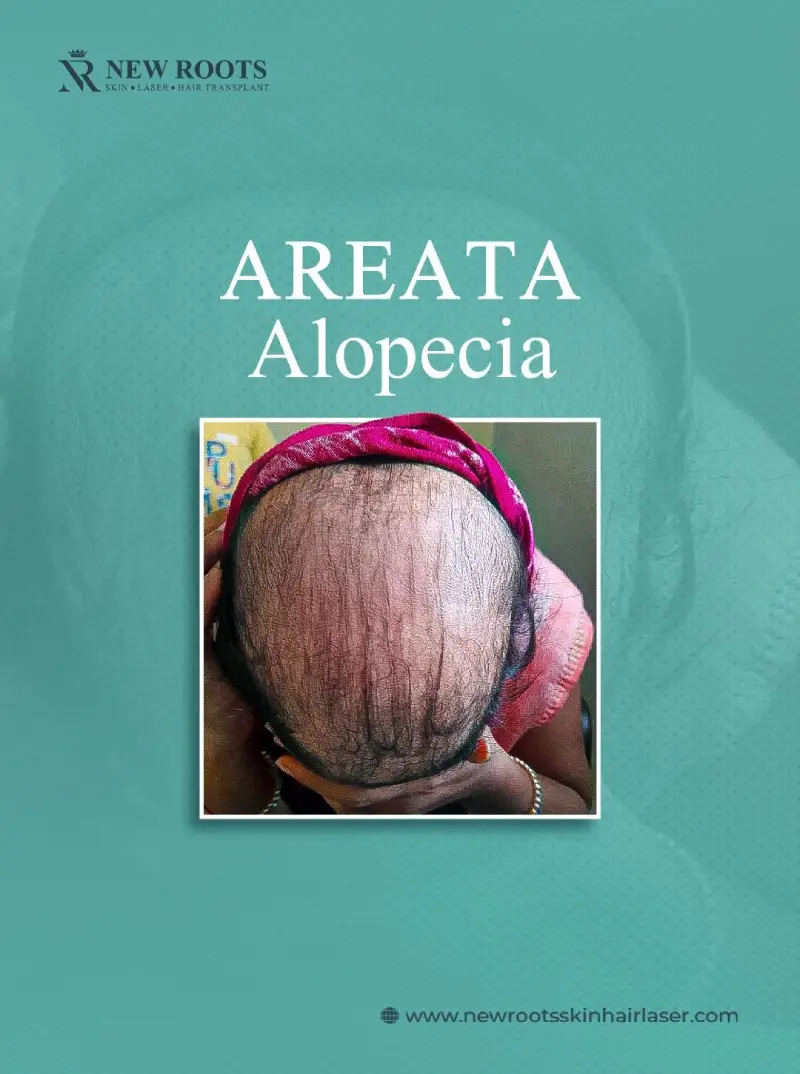
Alopecia Areata:
The illness derives from autoimmunity and results in localized hair loss.
Top Non-Surgical Treatments
Minoxidil: The Over-the-Counter Solution
Rogaine, under its commercial name Minoxidil, exists as an available non-prescription topical medication that comes in both solution and foam form.
This medication activates hair follicles to make hair grow stronger while simultaneously preventing the balding process. For treatment visibility, people must use the medication continuously for several months.
Finasteride: Prescription Strength
Medical users obtain Propecia as a brand name of the prescription drug Finasteride to treat the condition of male pattern baldness.
The medication stops testosterone from converting into DHT, a hormone responsible for follicle miniaturization.
Through its application, people may experience reduced hair loss followed by new hair development in certain men.
Dutasteride: A Stronger Alternative
The way Dutasteride works is by blocking the enzyme that transforms testosterone into DHT in the same manner as Finasteride.
Some clinical data reveal that Dutasteride demonstrates better results than Finasteride because its inhibitory properties extend to type I and type II 5-alpha reductase, though Finasteride selects only type II.
The treatment works off-label, although the FDA has not approved it for hair loss treatment.
PRP Hair Treatments: Harnessing Your Body’s Healing Power
The scalp receives an injection consisting of the patient’s concentrated platelets during PRP hair treatments.
Medical experts think platelet-rich plasma stimulates hair follicles and grows new, thicker hair by improving the blood supply to the scalp.
PRP therapy remains new to the medical field, but recent studies demonstrate positive results as an androgenetic alopecia and other hair loss treatment.
Low-level laser therapy: Red Light to Stimulate Hair Growth
Low-level laser therapy employs particular light wavelengths to drive hair growth, which professionals also refer to as red light therapy.
The therapy stimulates cells to work better while it boosts blood flow to the head, which helps restore active follicles and activates hair growth.
Red Light Therapy: An Alternative Approach
Red light therapy delivers low-level light to the scalp through its non-surgical mechanism to dilate blood vessels, which enables better energy delivery to the follicles.
Laser hair growth caps make home administration possible, and such treatments demonstrate effectiveness in raising hair density for patients who have androgenetic alopecia.
Derma Rolling and Microneedling: Stimulating the Scalp
The medical procedure known as derma rolling allows users to make fine needle holes in their scalp through its handheld tool.
Studies indicate that blood circulation stimulation, along with growth factor production, underlies the effectiveness of this treatment for activating hair follicles.
Patients qualify for better hair regrowth results when they pair derma rolling with minoxidil treatment.
Hair Systems: Instant Cosmetic Improvement
Hair systems function as non-surgical hair replacement solutions that immediately hide thin areas through natural or artificial alternative cover-ups.
Systems like hairpieces and weaves attach to the scalp for increased natural hair compatibility through selected styles.
Hair systems provide instant coverage of hair loss, but they do not have any effect on promoting hair growth.
Scalp Micropigmentation: Tattooing for Density
Salon professionals use SMP as a cosmetic treatment to apply minuscule dots on the scalp, which create the appearance of denser hair.
This treatment stands out as an effective solution for people who experience resistant hair loss, in addition to those with scarring alopecia or after performing hair transplants.
Scalp micro pigmentation works as a permanent hair-thinning disguise, although it does not perform as a genuine hair restoration technique.
Hair Extensions: Adding Volume and Length
Hair extensions serve as a noninvasive solution that enhances the look of sparse and short hair.
The market offers tape-in modifications as well as clip-in extensions, which produce a more voluminous appearance.
Users should select extensions that weigh little because additional strain on thinning hair should be avoided.
Spray-on Hair: Quick Concealment
Bald spots and thin hair areas become invisible quickly through the application of mist-based hair products.
The aerosol sprays contain matching pigments to your hair color, which create both camouflaging and fuller-looking hair results temporarily.
Corticosteroids, Steroid Creams, and Steroid Injections: Managing Inflammation.
Steroid injections coupled with steroid creams serve to treat the inflammation that occurs from autoimmune disorders that lead to hair loss, specifically in cases of alopecia areata.
Steroid creams work for treating minimal hair loss sites by topical application, but steroid injections prove suitable for comprehensive hair loss conditions.
Lifestyle and Dietary Adjustments for Hair Growth
Solid hair growth improvement requires people to adopt the necessary changes in their lifestyle and diet. Non-surgical hair loss treatments work most effectively because of these adjustments, which also create denser, healthier hair growth.
Nourish From Within: Feast on a balanced diet.
Your diet needs to contain vitamins as well as minerals, and proteins because these substances construct strong hair development.
Stress Less, Stress More: Master stress management.
Practice yoga or meditation, or engage in hobbies as relaxation techniques, because they help shed and support new hair growth.
Handle with Hair: Treat your hair gently.
Apply a reduction of both chemical solutions and intense heat application and tight hairstyle methods because these practices degrade your hair strands and limit new growth.
Complement Wisely: Recollect focused supplements.
A healthcare professional has to be consulted to suggest supplements containing biotin, iron, and zinc for promoting hair growth.
Hydrate: Live hydrated.
Preserving your water intake excessively results in wholesome scalp functioning and pleasant hair growth situations.
Scalp TLC: Stimulate your scalp.
The exercise of massaging your scalp allows increased blood circulation, which therefore helps your hair grow higher and preserve its health.
Sleep Smart: Prioritize sleep.
Quality sleep duration should range between seven and eight hours each night for balanced hormones that enhance hair development.
Managing Expectations and Choosing the Right Treatment
People seeking non-surgical hair loss remedies need to keep results in line with what is feasible.
The experimental nature of PRP and stem cell therapy, together with microneedling, prevents scientists from confirming that they will produce substantial hair regrowth.
People who seek advice from hair restoration specialists will receive information about what each treatment can and cannot deliver.
The Role of Hair Specialists
Obtaining advice from either a trichologist or a hair specialist
People experiencing hair loss need to consult specialists in hair-related health or trichologists because of their specialist knowledge.
Professionals within this field properly identify what causes hair loss and select appropriate treatments, and they can also track their treatment results.
A professional trichologist performs scalp examinations performs hair analysis, and orders blood tests before creating unique treatments.
The New Roots Clinic
New Roots – Skin, Laser & Hair Transplant Clinic concentrates on identifying and treating core hair loss origins by implementing different treatment approaches at their facilities, but detailed information about these facilities remains scarce.
Conclusion:
While hair loss can be a challenging experience, numerous non-surgical hair loss solutions are available to help you regain your confidence and improve your hair health.
A combination of medications with advanced therapies alongside suitable lifestyle changes will deliver successful long-term outcomes for your personalized hair loss treatment.
The advice of an expert hair specialist will help you get the best-suited and customized treatments for your hair restoration process.
Q&A ASK:
The hair loss solution Minoxidil remains a common selection, with LLLT and PRP therapies offering additional benefits for women. Addressing hormonal imbalances and nutritional deficiencies supports hair growth, making these the great non-surgical hair loss answers for girls.
Non-surgical hair loss remedies work well to treat numerous degrees of hair loss that fall between mild and moderate classes. At the same time, as outcomes may additionally vary, regular use of treatments like Minoxidil, blended with a way of life adjustments, can substantially improve hair growth, making them the quality non-surgical hair loss solutions.
Scalp inflammation, collectively with a sexual disorder, represents a possible facet of results that minoxidil and finasteride treatments can motivate. Seek advice from a specialist to weigh the advantages against opposition to ability risks while considering the quality of non-surgical hair loss solutions.
Endurance is key. The excellent non-surgical hair loss answers become seen after several months. Constant use of remedies like PRP, LLLT, and medicinal drugs, coupled with a healthy way of life, can yield results through the years, leading to great non-surgical hair loss answers.
Sooner or later, the usage of minoxidil with PRP remedy allows prompt new hair growth mechanisms. Hair fibers and SMP make effective cosmetic choices for masking hair loss. Those methods provide on-the-spot development even as pursuing long-term, non-surgical hair loss answers.
You need to speak with both a qualified dermatology specialist and a hair loss professional. They could verify your hair loss type, identify underlying causes, and suggest a customized remedy plan combining healing procedures for the highest quality results, ensuring the best non-surgical hair loss solutions.


