

Hair loss may be a distressing enjoy, but knowing the reasons for excessive hair loss can be a resource in its management.
The principal causes of excessive hair loss encompass hereditary elements blended with the dangerous effects of stress, faulty nutrition, and hormone imbalance.
Consulting with a dermatologist, even as retaining a healthful weight-reduction plan with minerals and vitamins, in conjunction with stress management practice, offers effective solutions.
Using mild hair care products together with loose hairstyles helps prevent more hair damage.
Knowing what causes hair loss allows you to start taking actions that will enhance your hair health for better growth.
A combination of positive thinking and staying informed provides the best approach to stop hair loss.
Introduction:
Have you ever located accelerated hair quantities for your brushing activities? Excessive shedding can be alarming, but knowing the capability reasons for excessive hair loss is step one toward finding an answer. Different organic and behavioral factors cause hair loss.
Table of Contents
Common Causes of Excessive Hair Loss
👉 Family History
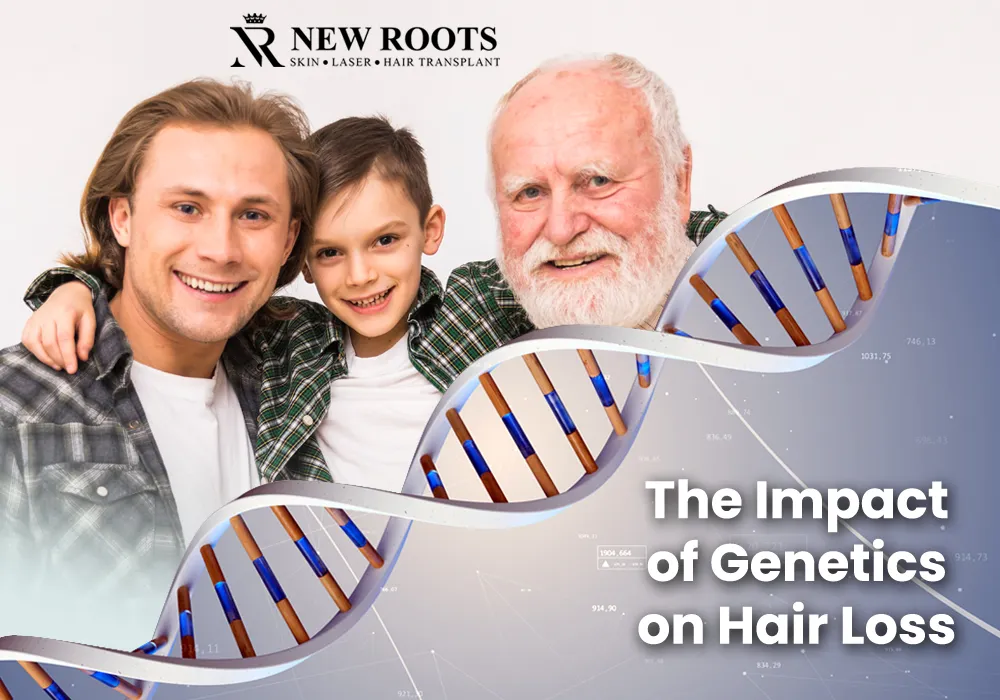
One of the most well-known reasons for excessive hair loss is genetics. Folks who inherit baldness from their circle of relatives will possibly develop this condition themselves.
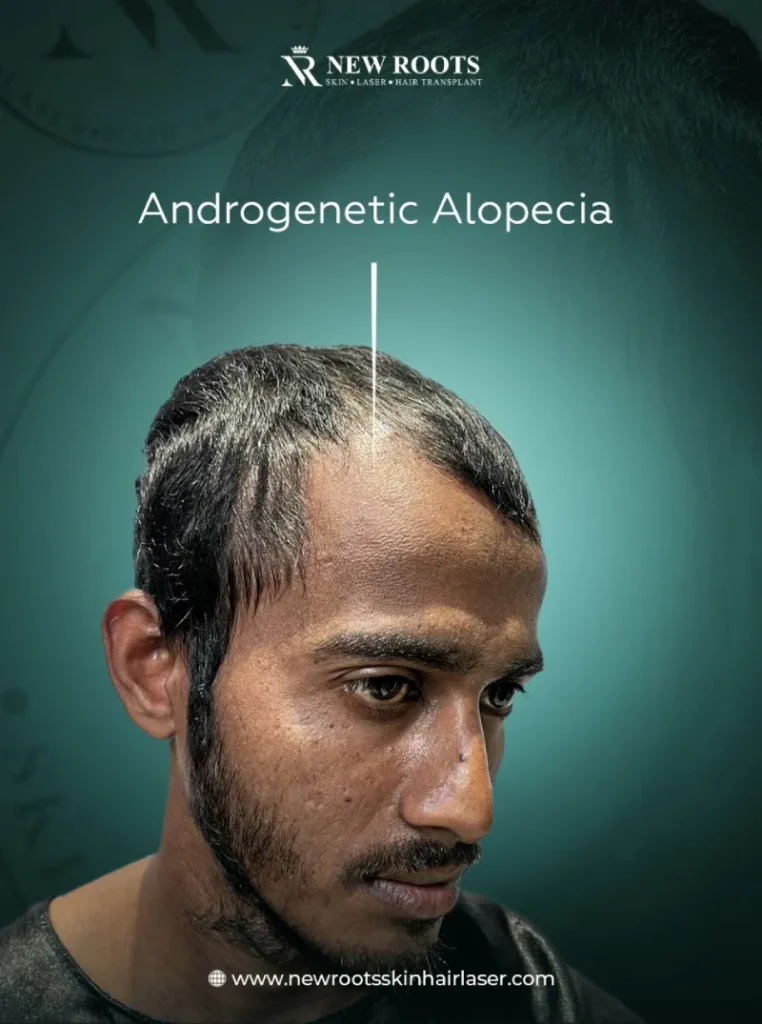
Women and men each experience this circumstance, acknowledged medically as androgenic alopecia, which has inherited roots.
The inherited shape of alopecia influences guys, causing their hair to recede at the front and become thin at some stage in the top part of their scalp.
The typical woman’s condition, known as lady-sample baldness, causes hair to end up thinner gradually across the whole scalp.
👉 Hormonal Changes and Imbalances
The modifications in hormonal levels lead to major disturbances in hair development processes.
The body may experience either temporary or permanent hair loss when affected by pregnancy and childbirth, together with menopause and thyroid disorders.
Menopause-related estrogen fluctuations cause a slow deterioration of hair. Thyroid imbalances disrupt normal hair growth cycles by producing hair loss as a result.
👉 Impact of Medical Conditions on Hair Loss
Numerous clinical problems create everyday hair loss occurrences. Hair loss occurs because of alopecia areata, which represents an autoimmune condition that makes the immune system mistakenly attack hair follicles.
Scalp infections that consist of ringworm purpose scalp outbreaks, which later result in hair loss.
Numerous health issues, which include diabetes and lupus, have been established to have their capability to motivate human beings to lose their hair.
👉 Medications and Supplements: Unexpected Culprits
Specific pharmaceutical products with supplementary ingredients may result in hair loss among patients.
Drugs used to treat conditions like cancer, arthritis, depression, and heart problems may contribute to causes of excessive hair loss.
Excessive consumption of supplements can start and maintain hair-shedding events. When you believe medications contribute to your hair loss, you must consult with your doctor regarding your medications.
👉Stressful Events: The Shock to Your System
An extremely stressful occurrence might trigger brief hair loss, referred to as telogen effluvium.
Emotional or physical distress makes hair follicles shift into rest until they eventually release hair strands that result in widespread thinning.
This hair loss type creates a concerning situation; however, complete hair restoration happens naturally during three months.
👉 Hairstyles and Treatments: While Beauty Hurts
The method of pulling hair an excessive amount causes traction alopecia, which represents a selected form of hair loss referred to as traction alopecia.
Those who put on tight hairstyles consisting of pigtails, braids, and cornrows, at the side of the use of curling irons and permanents, and heat gear like warm rollers, generally tend to go through hair follicle damage that results in hair loss.
Warm-oil remedy-related hair loss occurs when scarring comes from the use of this therapy on the hair.
The Role of Genetics and Age in Hereditary Hair Loss
Genetics functions as a fundamental force in hereditary hair loss, but age develops independently as an additional cause or factor.
Irreversible slowing down of hair follicle growth during aging results in the development of thinning hair.
As people age, normal hair thinning becomes more apparent in those who have baldness in their family tree (heredity).
👉Poor Nutrition and Significant Weight Loss: Starving Your Strands
The rates of hair loss will increase if your body experiences either bad food choices or major weight loss.
A deficient dietary intake of protein with iron and zinc leads to disruptions of hair growth cycles while causing hair to shed.
A hasty reduction in body weight creates sudden stress to the body, which results in brief hair thinning.
👉 Scalp Infections: Ringworm and Other Culprits
The fungal infection Ringworm triggers sorts of scalp scales that eventually lead to hair loss.
The infections generate inflammation of the scalp that hinders hair follicle functionality while also causing hair breakage.
The elimination of ear infections requires immediate antifungal medication treatment to restore hair growth.
👉 Hair-Pulling Disorder
Hair-pulling disorder (trichotillomania) is a mental health condition that produces the frequent hair-pulling habit known to cause noticeable hair loss (alopecia).
The combined experience of anxiety and stress causes an individual to pull their hair, resulting in visible bald patches alongside intense psychological distress.
People with this condition receive therapy, while medication treatment might be necessary at times.
Other Factors Contributing to the Causes of Excessive Hair Loss
Beyond the ten common causes of excessive hair loss listed above, several other factors can play a role in hair thinning and shedding.
The Impact of Radiation Therapy
Radiation therapy directed towards the head area will result in complete hair loss throughout the body. The lost hair does not return to its original state of growth.
The Connection Between Thyroid Problems and Hair Loss (Alopecia)
Thyroid disease often leads to hair thinning in its patients. The act of brushing hair results in clumps of hair loss, according to some people.
The Impact of Sunlight and Ultraviolet Light
Shielding your hair from both ultraviolet light and sun exposure can reduce the amount of hair you lose.
Smoking and Its Detrimental Effects
Research evidence indicates a possible relationship between male baldness and the use of tobacco products. Slow poisoning has been linked to hair loss as a result.
The Impact of Hairstyles and Treatments on Causes of Excessive Hair Loss
Several hair activities, together with specific treatments, have been identified as causes of hair loss.
Be gentle with your hair. When your hair is wet, avoid pulling with a comb and brush your hair because using a detangler tool helps prevent damage.
A wide-toothed comb functions to minimize the chance of hair removal during combing.
Hot rollers with curling irons, along with hot oil treatments and permanent chemical processes, must be avoided during hair care.
Multiple hairstyles that pull on hair should avoid using rubber bands as well as barrettes, and braids.
Innovations in Hair Loss Treatment: The New Roots Skin Laser and Hair Transplant Clinic
For those seeking expert care, New Roots – Skin, Laser & Hair Transplant Clinic offers specialized diagnosis and treatment for all types of excessive hair loss.
The clinic combines advanced technology with personalized treatment plans to help patients restore healthy, natural hair and regain their confidence.
Using state-of-the-art diagnostic tools, the experienced medical team identifies the root cause of hair loss and tailors effective medical and procedural solutions to ensure optimal, long-lasting results.
Specific Points About Excessive Hair Loss Prevention and Management
Before Hair Loss
- Healthy Diet: Incorporate vitamins and minerals like biotin, zinc, and iron. Keyword: causes of excessive hair loss.
- Gentle Hair Care: Avoid harsh treatments and heat. Use sulfate-free shampoos.
- Stress management includes learning relaxation techniques since stress plays an established role. Keyword: causes of excessive hair loss.
- Daily exercise functions as a health booster that strengthens blood circulation throughout the scalp.
- Through regular check-ups, medical professionals should monitor potential health conditions that involve thyroid problems.
During Hair Loss
- See a dermatologist to discover your actual medical issue.
- Consult a doctor to receive medication that might work, like minoxidil treatment. Keyword: causes of excessive hair loss.
- Lifestyle Adjustments: Continue a balanced diet and stress management.
- The damage should be minimized through loose hairstyles.
- Placing nutritional supplements into your system allows you to achieve sufficient essential nutrients.
- To reduce hair loss from thinning, you ought to use expert hair products that concentrate on balding conditions.
- Scalp Massages: This improves blood flow to the hair follicles.
A sense of optimism, along with patience, works to protect hair health because emotional stability influences how our hair grows.
Conclusion:
Understanding the many causes of excessive hair loss is vital for powerful control.
Numerous biological and outside elements, inclusive of genetics and hormones, combined with lifestyle choices and clinical issues, create the situations for hair thinning and baldness to occur.
Your alopecia diagnosis will help you discover appropriate treatments that help you restore your hair health at the same time as improving your hair’s vitality.
You ought to be looking for medical guidance from a healthcare professional or go to a hospital like New Roots because individualized care will help reap the pleasant effects.
Q&A ASK:
Hormonal imbalances, stress, and nutritional gaps are common causes of excessive hair loss in women. A visit to a dermatologist will help create specific hair loss treatments.
Continuing exposure to stress interferes with the hair growth pattern, thus resulting in severe hair shedding. Regular use of stress reduction strategies helps lower the effect of hair loss.
excessive hair loss takes place whilst biotin and iron, together with other important nutrients and minerals, are absent in the body. Shielding hair boom calls for getting good enough nutrients from nutritional assets.
Regular putting on of ponytails or braids would possibly cause the scientific circumstance traction alopecia, which leads to significant hair loss. Hair damage can be avoided using deciding on greater comfortable hairstyle alternatives.
Excessive hair loss occurs when individuals have thyroid disorders, together with alopecia areata and polycystic ovary syndrome (PCOS). Medical diagnosis, together with treatment, represents an essential element.


