

Are you shocked to see more hair strands fall than usual, or notice your hair is thinner than before? Discover the common causes of excessive hair loss in females.
It is also known that the changes in hormones, for instance, during pregnancy, giving birth, or the climacteric, can influence hair growth.
The bodily and emotional strain is the alternative issue that brings about these consequences, but the fundamental contributing factor is the stress of any shape.
Certain clinical conditions, like thyroid issues, anemia, and autoimmune diseases, may also be underlying reasons for excessive hair loss in women.
Moreover, rigorous hair treatments, each with hair bands and, most especially, ponytails, can pull the follicles and cause hair loss.
INTRODUCTION
Many women struggle with male-pattern hair loss, but it’s important to remember that it isn’t the sole cause of hair thinning.
Genetics, hormones, changes, health issues, and stress levels, such are key aspects that can influence this condition.
This quick guide is here to enlighten you with some common factors that may lead to hair loss among females. In this section of the essay, we’ll examine such factors as genetics, pregnancy, thyroid disease, and stress on the hair.
Such understanding is the initial stage of discovering patterns to effectively treat and manage the hair loss condition.
Table of Contents
The Understanding of Female Hair Loss Continues
Female hair loss tends to create psychological misery because it impacts women emotionally. Understanding the various causes of immoderate hair loss in girls is step one towards effective management and treatment.
This piece investigates all potential causes behind thinning hair and hair shedding earlier than offering useful recommendations to manage this sizeable issue.
Causes of Excessive Hair Loss in Females
Immoderate hair loss, which affects numerous women, results in both bodily problems and emotional challenges. Knowledge of the underlying causes helps both the prevention and effective management of the condition. Eight important elements have been identified as causes of excessive hair loss in females.
👉 1. Hormonal Changes
The natural changes in hormones have a dominant role in maintaining hair health.
The hormonal fluctuations that occur after pregnancy cause most women to experience postpartum hair loss.
👉 2. Medical Conditions
A range of medical issues directly interfere with hair growth patterns, therefore causing hair loss in patients.
Humans with Polycystic Ovary Syndrome experience hair thinning on their scalp due to hormonal imbalance.
Alopecia areata features as an autoimmune disease that promotes hair follicle attacks from the immune system, thus main to the improvement of bald spots.
Ringworm, together with similar fungal scalp infections, leads to hair loss.
👉 3 Nutritional Deficiencies
Proper nutrition maintains essential health for hair.
The lack of sufficient iron amounts in the body negatively affects hair growth potential.
Vitamin D Deficiency: Essential for hair follicle cycling and growth.
A deficiency of protein, which constitutes most of the hair structure, leads to hair shedding as a result.
👉 4. Stress and Trauma
Physical and emotional pressures have similar effects on hair loss occurrence.
The medical condition telogen effluvium initiates prematurely due to physical stress, which includes sickness, surgical procedures, and severe weight reduction.
The combination of excessive emotional stress together with high stress levels may eventually result in hair thinning.
👉 5. Hairstyling Practices
Several popular methods of hairstyling harm the hair and promote its disappearance.
Regular heating tool usage in hairstyles weakens hair structure.
The process of dyeing, along with bleaching and perming hair, can harm individual hair strands.
The styling methods that use braids and ponytails together with buns tend to trigger traction alopecia through repeated pulling on the hair.
👉 6. Genetic Factors
The patterns through which hair loss occurs, along with the likelihood of losing hair, are determined by genetic factors.
A genetic form of female baldness occurs when people lose hair gradually.
👉 7. Medications
The therapeutic utilization of certain drugs results in hair loss as a reported adverse reaction.
The drugs used for cancer treatment, known as chemotherapy, lead to temporary hair loss among patients.
Several drugs administered to manage arthritis, along with depression and heart-related conditions, result in hair thinning.
👉 8. Environmental Factors
Parameters outside the body directly affect overall hair health.
The presence of environmental pollutants causes hair weakening, which results in baldness.
Extended time under the sun’s ultraviolet rays leads to damage to the hair structure.
Understanding of Hair Variation and Periods
Architecting sustainable hair maintenance requires knowledge about different hair types, together with a comprehension of hair growth phases. Human hair can be divided into four basic groups that determine its natural characteristics.
Straight Hair (Type 1):
The reflective quality shines through this hair type, but oiliness tends to appear often appears because of its smooth and shiny nature.
Wavy Hair (Type 2):
The hair type lies between straight and curly patterns by creating loose waves, which tend to be dry and have low volume.
Curly Hair (Type 3):
The curly texture in both loose and tight manifestations tends to become dry and tangled.
Coily Hair (Type 4):
Coily hair exists as tightly curled and kinky hair, which has a dense composition that makes it easily prone to dryness and shrinkage.
The hair cycling process has phases that control growth.
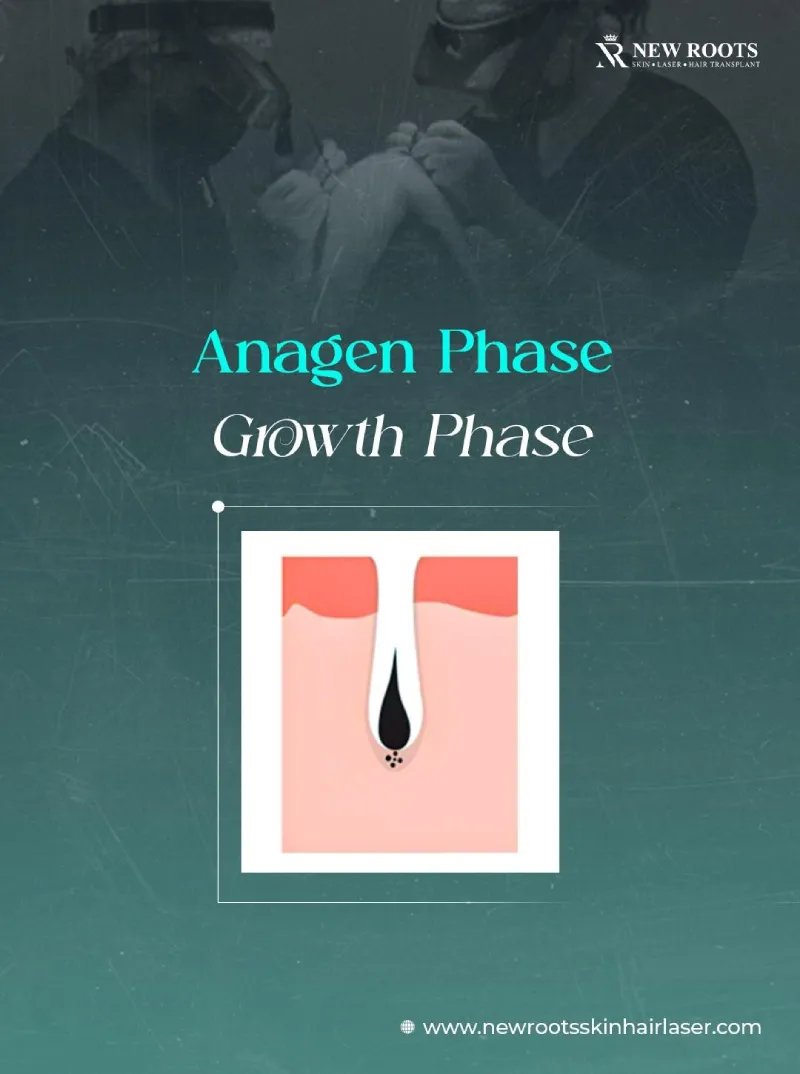
Anagen Phase:
Active hair growth extends from 2 to 7 years. The duration of this period directly correlates to how long the hair will grow.
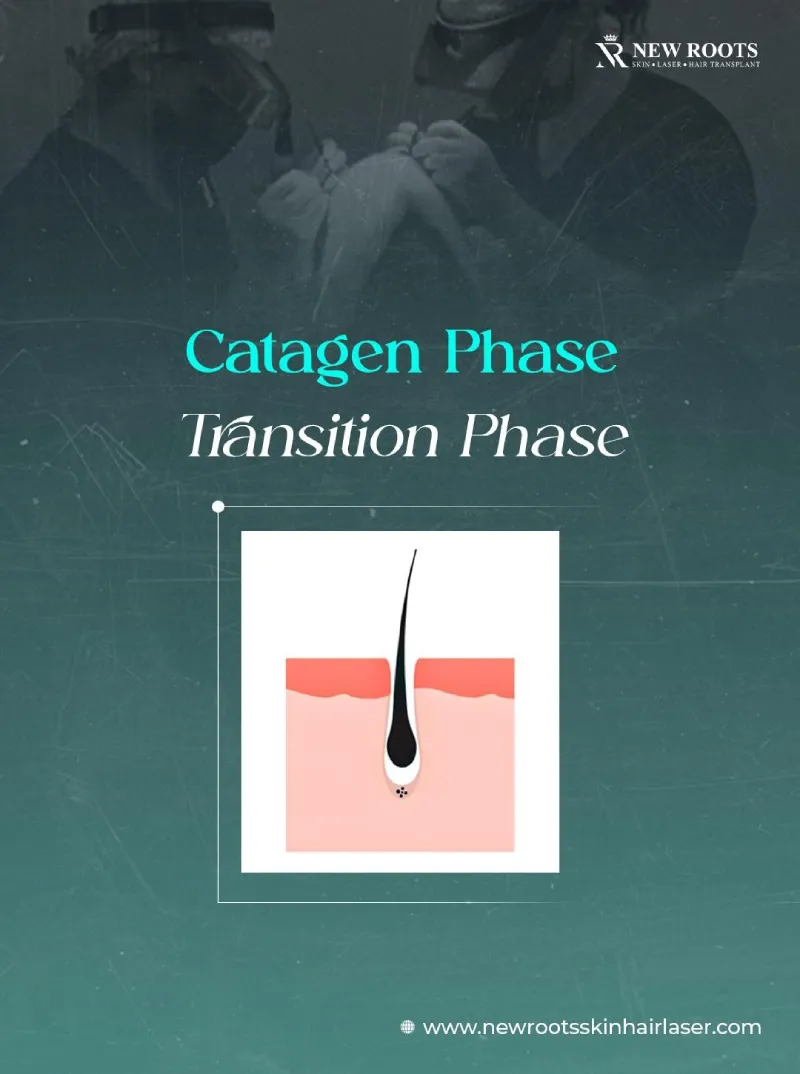
Catagen Phase:
The very short catagen phase lasts between two and three weeks. The follicle reduces its size as the growth of hair ends.
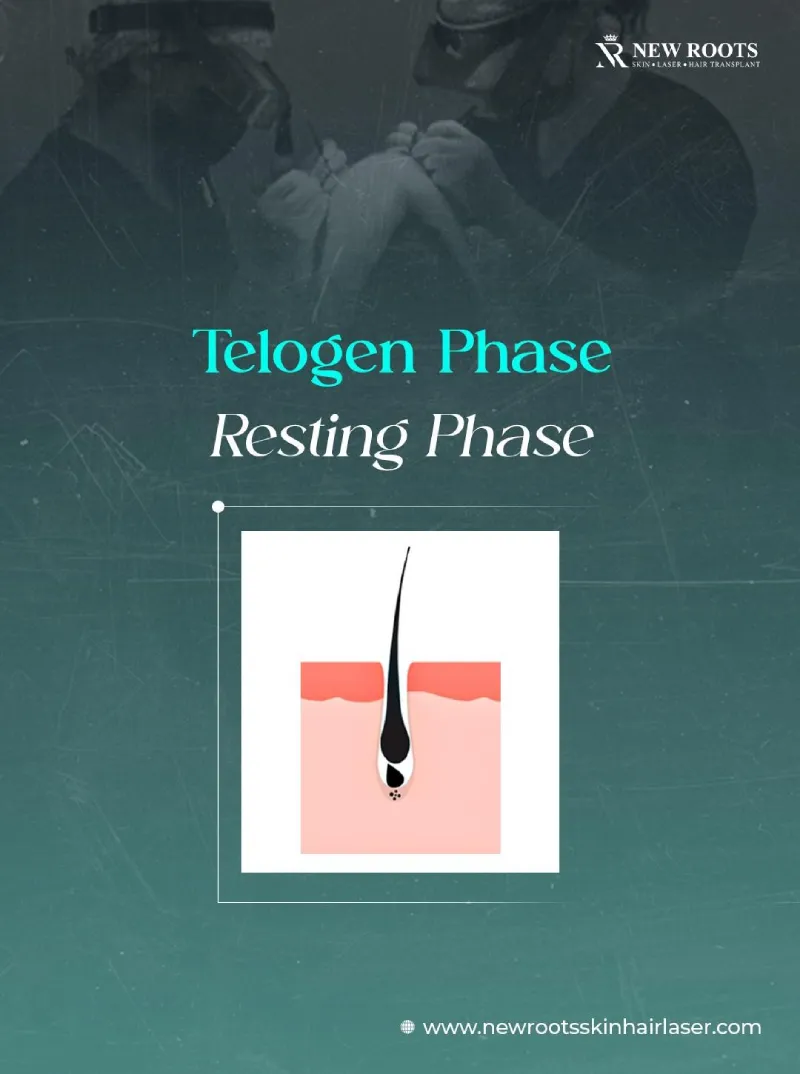
Telogen Phase:
This growth phase lasts approximately 3 months because hair sheds while new growth starts the hair cycle from the beginning.
Knowing both your hair type and its several growth phases allows you to create a personalized hair care approach for achieving the best possible health and length outcomes.
Seeking Professional Help: When to Consult a Dermatologist
Relief about hair loss calls for professional support, although appropriate timing for such help remains vital. See a dermatologist when uncontrollable hair loss causes bald patches, combined with an itchy red scalp.
Professional help is required when you observe sudden hair loss along with bald patches or any sign of redness or itchiness because these symptoms may point toward alopecia areata, scalp infections, or hormonal imbalances.
Seeking professional guidance becomes essential because hair loss affects your psychological health or causes severe self-image issues.
You should consult with a dermatologist who will properly identify the origin of your condition alongside recommended treatment programs and customized recommendations.
Quick action in treating hair loss will stop the additional decline in hair density as well as lead to the restoration of healthy follicles. Expert medical assistance should not be delayed if your hair health is a matter of concern to you.

Spotlight on Local Expertise: The New Roots Doctor
New Roots – Skin, Laser & Hair Transplant Clinic provides expert services to customers.
The Hyderabad-based facility New Roots operates out of Telangana to deliver multiple dermatology and cosmetology services, such as hair transplants, alongside acne scar treatments, laser hair reduction, and skin rejuvenation.
The practice maintains a staff including certified dermatologists, together with trichologists who focus on delivering exact treatments based on medical and technological advancements.
New Roots provides all hair and skin care solutions while maintaining top medical excellence and successful outcomes, making it your complete diagnostic healthcare center.
Expert services provided by New Roots help customers reach their goals of having healthy hair and glowing skin.
Conclusion
Knowledge of the causes of immoderate hair loss in females is vital for effective remedy and prevention.
The various factors that motivate hair loss are hormonal fluctuations, collectively with clinical problems, along with PCOS or alopecia areata, inadequate nutrients and stress, haircare rituals, and inherited trends.
The reputation of those several elements enables ladies to both defend their hair fitness and seek advice from doctors whilst building balanced nutrition and stress manipulation systems.
Treatment effectiveness will increase when healthcare carriers clear up the hair loss reason and, therefore, improve general hair health.
Early intervention blended with holistic remedy procedures will help lower intense hair loss quantities and guide higher hair growth.
Q&A ASK:
Different causes, such as family background, hormone fluctuations, medical issues, medications, stress, and various hairstyles that tug at the scalp, contribute to atypical female hair shedding. Treating excessive hair loss effectively requires the identification of its underlying cause.
Menopause, combined with childbirth and conditions including PCOS, can cause significant changes in a female’s hair boom sample due to hormonal changes. The changes from hormonal fluctuations reduce the hair follicles, hence making hair thinner until it sooner or later falls out. A solution for managing hair loss often requires proper treatment of hormonal imbalances.
Women can experience severe hair loss because of high physical and emotional stress, as well as inadequate nutrition and particular hairstyles. The body produces more resting hairs along with increased shedding when a person experiences stress-induced telogen effluvium. Preventing hair loss requires a balanced diet together with mild hair care.
Thyroid imbalances, along with autoimmune diseases, which include alopecia areata and lupus, in addition to scalp infections, represent one of the most important sources of hair loss. These health issues affect the standard hair development pattern, which makes hair become thinner and results in areas of baldness. The main step for hair regrowth requires managing the original health problem.
Genetic causes of hair loss cannot be prevented, yet people can successfully manage various other types of hair loss. Keeping away from tough hair treatments, together with following a nutritious diet, stress management, and gentle hair care, promotes the prevention of specific types of hair loss. To achieve the best results, patients should receive early diagnosis in combination with appropriate treatments.


