
Table of Contents
Loss of hair has a direct effect on self-esteem, looks, and psychological health.
The realization of the problem has led to hair transplant surgery being one of the most preferred procedures with very few disadvantages in the long term. However, many people still want to understand the possible hair transplant side effects before deciding on the procedure.
However, the most common question that pops into one’s mind is still, ‘Does the hair transplant procedure have side effects?’
Many individuals search for clear information about hair transplant side effects to understand whether the treatment is completely safe.
There are many individuals who are curiously looking for answers to their questions, such as whether there are any hair transplant side effects, hair transplant ke side effect, and what are the side effects of hair transplant surgery.
This comprehensive guide discusses hair transplant side effects, their reasons, short-term and long-term risks, and how to cope with them correctly. Moreover, it evaluates the pros and cons of hair transplant so that you can come up with a well-informed choice.
Understanding Hair Transplant Surgery
Hair transplant surgery is the process of taking hair follicles from a donor site, which is commonly the back or sides of the scalp, and placing them in a region where thinning or balding is visible.
The current methods of FUE (Follicular Unit Extraction) and FUT (Follicular Unit Transplantation) have a minimally invasive nature and are considered safe in general.
Nevertheless, the surgical procedure aspect of hair transplants must mean that all side effects, whether they are temporary or long-lasting, should be thoroughly communicated to patients before treatment.
Are There Any Side Effects of Hair Transplant?
Indeed, a hair transplant can have side effects, but the majority of them are only temporary, minor, and can be taken care of easily if done by a professional doctor and with the right aftercare.
A few reactions to the surgery are normal, and they take place during the healing period, just like any minor operation.
Among the most common worries are:
- After a hair transplant, side effects
- Hair transplant side effects in the future
- Long-term side effects of hair transplant
The very good news is that serious complications are extremely rare. Temporary discomfort is the only thing that most patients have to cope with, and then they recover easily within a few weeks, with normal hair growth gradually starting to return as healing comes to an end.
Common After-Hair-Transplant Side Effects
1. Swelling of the scalp and Forehead
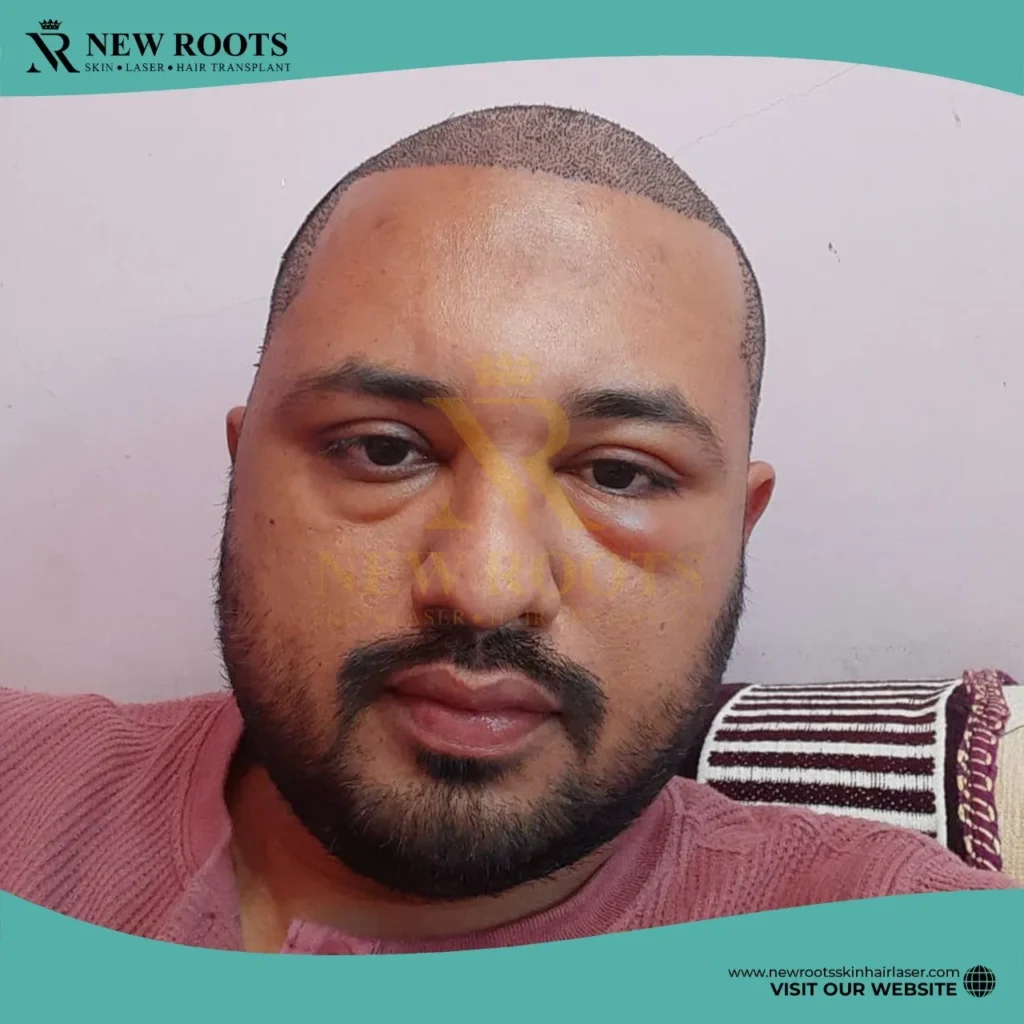
Swelling can be considered the most common side effect after a hair transplant, and its usual location is the forehead or the area around the eyes. The swelling can be observed within 2–4 days post-surgery.
The phenomenon is a result of body fluid retention and the natural inflammatory response of the body to the surgical procedure.
Cause: Fluid retention and inflammation
Duration: 3–7 days
Management: A combination of treatments like applying a cold compress, sleeping with the head raised, and taking prescribed anti-inflammatory medication does assist in treating swollen conditions effectively.
2. Pain and Discomfort
Mild pain or tenderness in both the donor and recipient sites is to be expected after the procedure. However, with modern techniques such as painless hair transplant, the discomfort is minimal and well-managed. One can easily categorize hair transplants
Duration: 2–5 days
Management: The painkillers prescribed by the surgeon are usually very effective in controlling the discomfort.
3. Redness and Inflammation
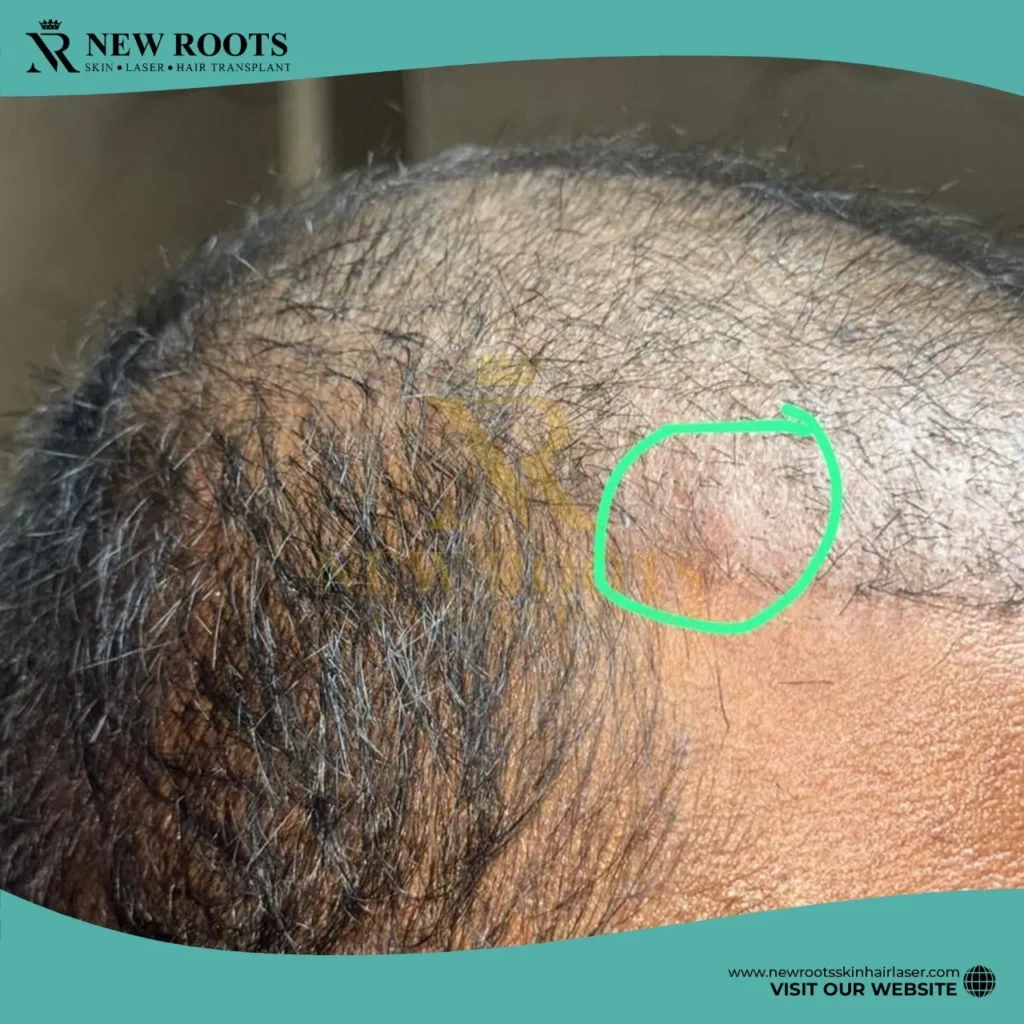
Redness surrounding the transplanted follicles results from small micro-incisions that were made during the surgery. This is a typical healing response and not a permanent side effect of hair transplant surgery.
Duration:
- Light skin: up to 2 weeks
- Sensitive skin: up to 4 weeks
The scalp’s redness decreases with the scalp’s healing and new hair growth.
4. Scabbing and Crusting
During the healing process, small scabs are usually formed around the grafts.
Reason: Blood clotting that occurs around the graft sites
Duration: 7–14 days
Management: It is very important to wash gently as advised and not to scratch. Scabs that are not handled properly can lead to an increased risk of infection or damage to the graft.
5. Itching
Itching is one of the most common complaints, and it is one of the most common side effects of hair transplant surgery.
Reason: Healing skin and dryness
Management: Using moisturising sprays, gentle cleansing, and even antihistamines if prescribed will help relieve itching and will also support proper recovery.
Hair Transplant Side Effects in the Future (Long-Term)
A lot of patients are concerned about the future side effects of hair transplant and whether the operation will ultimately damage their hair permanently.
The application of modern techniques undoubtedly puts the procedure in the safe category; nevertheless, it is still very important to know the long-term effects in order to avoid misunderstanding and get realistic expectations.
1. Shock Loss
Shock loss is the term used for the temporary shedding of hair in the surgical areas or surrounding areas after the operation.
One of the most common questions people have is whether hair transplants cause permanent hair loss.
The short answer is no. Shock loss is a transient phenomenon usually lasting for up to 3-6 months and is then followed by hair re-growth as the follicles enter the new growth cycle.
2. Uneven or Unnatural Hair Growth
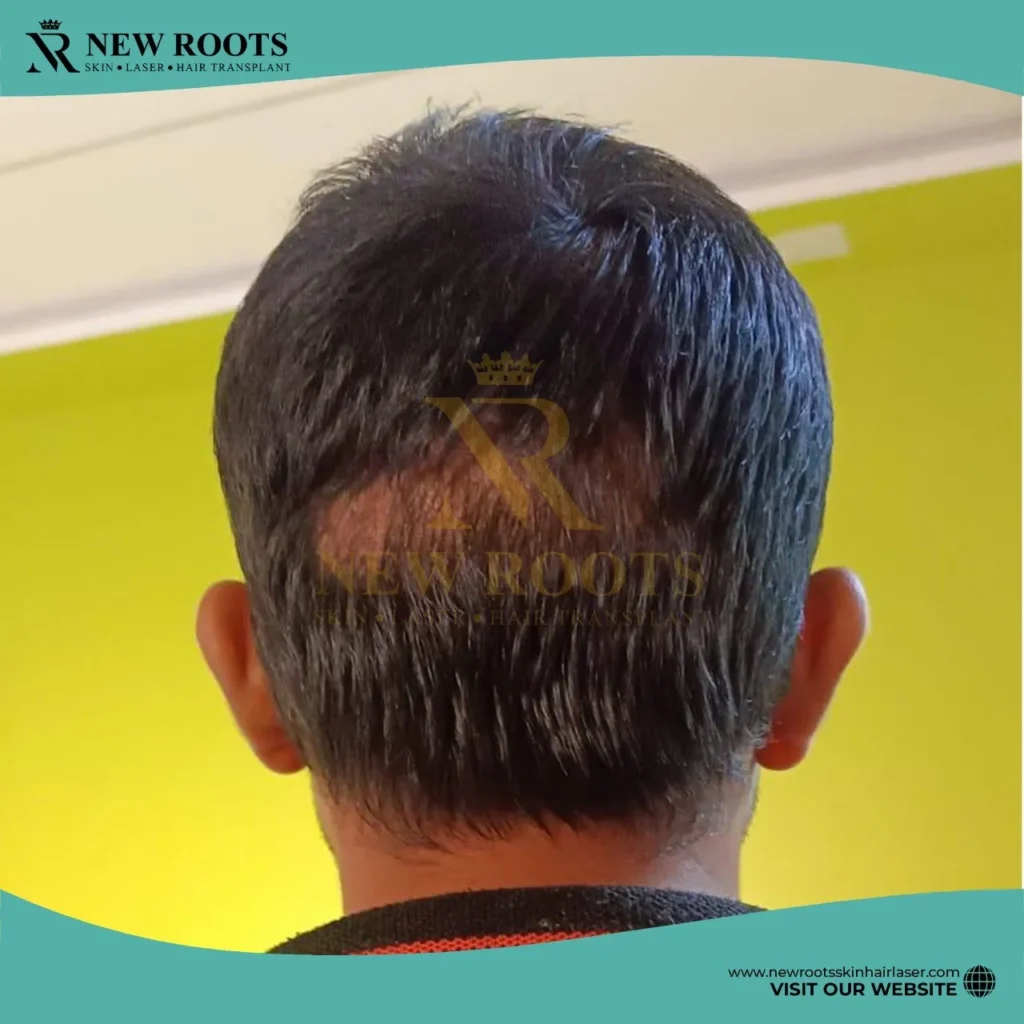
If the grafts are planted at the wrong angles or with the wrong density, uneven hair growth could happen.
Cause: Poor surgical technique
Prevention: Choosing an experienced and qualified surgeon
This is not a side effect caused by biological factors but rather a problem of technology related to implementation.
3. Scarring
The extent of scarring varies considerably depending on the method used.
While FUT may result in a slight linear scar, FUE will leave minimal dot scars that are covered up and are hardly detectable after healing.
Scarring is a factor when people are inquiring if hair transplant has side effects, but at the same time, it is quite true that modern techniques lessen the visibility of such marks.
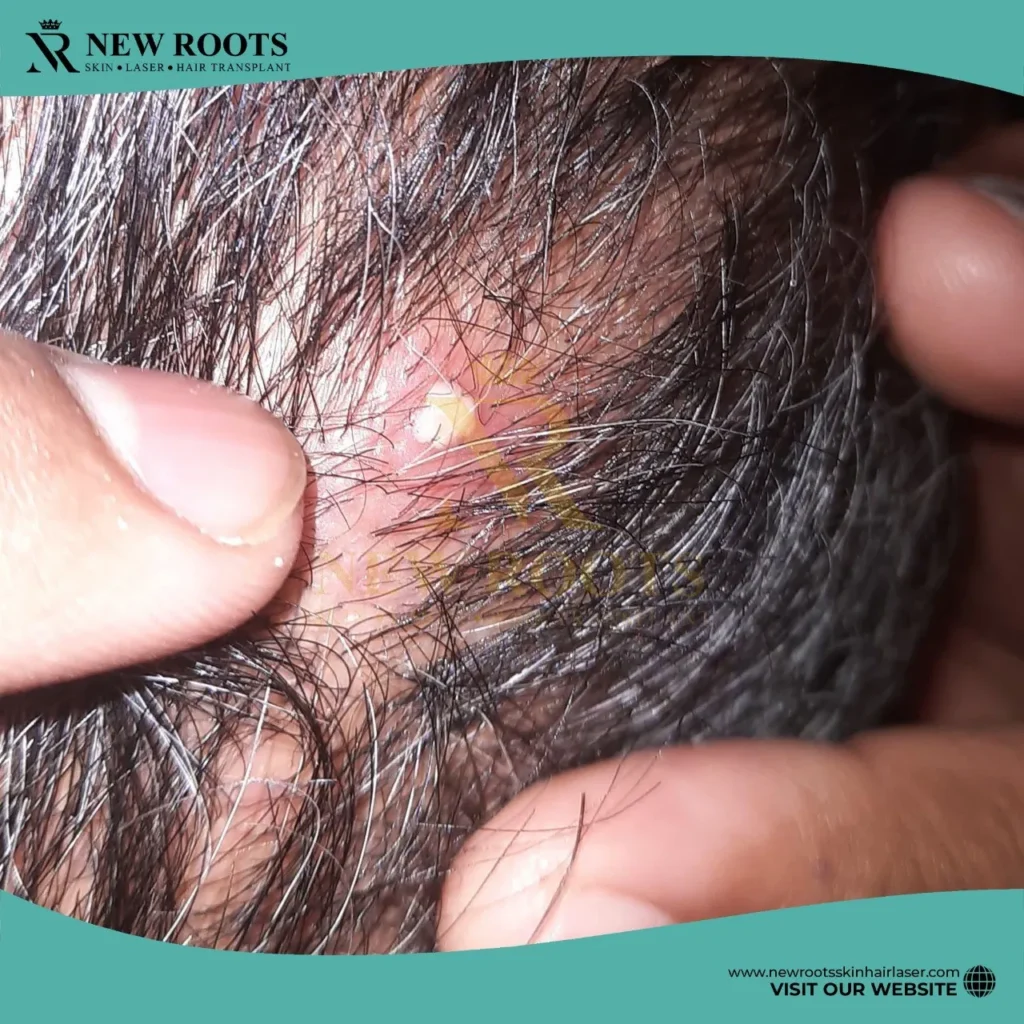
4. Folliculitis (Hair Follicles’ Inflammation)
Transplanted hair may get surrounded by tiny pimples due to oil or bacteria being trapped.
Duration: Short-term
Management: Good scalp hygiene and application of antibiotic ointments.
5. Numbness or Tingling
Irritation of the nerves may temporarily cause numbness or tingling in the area of treatment.
Duration: Weeks to months
Permanent numbness as a long-term side effect of hair transplant: it is indeed very rare.
Rare but Serious Hair Transplant Surgery Side Effects
Although not commonly performed, hair transplantation surgery may sometimes result in serious adverse effects that are mostly attributed to non-compliance with medical standards.
The risks include the occurrence of an infection in the area where hair has been removed or implanted, excessive bleeding during or after the surgery, a local anaesthesia causing allergic reactions, and the death of the graft with unsatisfactory hair growth as a consequence.
Such complications are rare, but if not treated instantly, they can still lead to recovery being prolonged and the outcome being affected.
The usual aftermath of hair transplant surgery consists of the following cases:
- Ignoring sterilization methods raises the chance of infection.
- Disregard of aftercare instructions results in graft damage and inflammation.
- The surgery is performed by doctors without proper qualifications or lacking experience.
The selection of a registered clinic, the guarantee of strict cleanliness, and following the medical advice pertaining to after surgery, greatly reduce the risk of these serious complications and promote the safe and effective result of a hair transplant.
Does Hair Transplant Have Side Effects on Health?
One of the myths often heard is that hair transplant surgery has an impact on general health or causes damage internally.
However, a hair transplant is a cosmetic treatment that is restricted to the surface of the head and the upper skin layers. It does not, in any way, affect the brain, blood, nerves, or longevity.
A competent surgeon using the right techniques will not cause any damage to the health of the system.
The question that comes up is, does a hair transplant have any negative impact on health? The answer is plain and simple: no.
Any side effects would be confined to the area treated, would be of a temporary nature, and would not be related to the health of the body as a whole.
Hair Transplant Benefits and Side Effects Compared
Benefits
A hair transplant is a permanent solution that restores hair in bald and thinning areas by using your own natural follicles. When it is done properly, the results are usually natural-looking and blend well with the existing hair that exists.
One of the biggest advantages is a considerable increase in confidence and self-image since a better look usually has a good influence on personal and professional life.
After full growth is reached, the transplanted hair needs very low maintenance and can be treated like regular hair.
Side Effects
However, there might be some temporary side effects, such as pain, swelling, redness, and mild discomfort that occur in the patient after surgery.
Short-term shedding, which is also called shock loss, is a normal thing happening during the healing process. In very rare situations, scarring or infection might occur as a risk.
When weighing the pros and cons, for most candidates, the hair transplant advantages are more prominent than the side effects.
Who Is More Likely to Experience Side Effects?
The possibility of facing side effects from a hair transplant procedure is greater in some cases:
- Uncontrolled diabetes, for one, can delay the body’s recovery and increase the chance of infection, besides other things.
- On the other hand, smoking or heavy drinking are vices that reduce the blood supply to the scalp and make the problem worse in the end.
- A poorly maintained scalp with infections or chronic skin diseases is another adverse factor that influences the situation.
- Neglecting the post-surgery treatment of the areas involved can lead to complications that are very hard to avoid.
- The clinics picked are unauthorized ones that lack the required hygiene standards and skills.
Fortunately, all these risks can be successfully mitigated, and the safety and success of hair transplantation outcomes are ensured through thorough pre-surgical evaluation, appropriate lifestyle modifications, and strict adherence to medical directives.
How to Reduce Hair Transplant Side Effects
Before Surgery
Patients are advised to quit smoking and drinking for at least 7-10 days before the procedure to minimize the potential side effects of the hair transplant, as these may slow down healing.
It is very important to follow the doctor’s instructions regarding all medications and to disclose your complete medical history, including current conditions and treatments, in order to decrease the chance of complications.
After Surgery
It is necessary not to touch or rub the grafts after the operation in order not to damage or infect them.
Raise your head while sleeping to minimize the swelling, use only the recommended shampoos, avoid direct sunlight, and do not do heavy physical exercises for 2-3 weeks.
Proper aftercare is the best way to ensure that the hair transplant side effects won’t appear in the future.
Final Thoughts
The question about side effects involved in hair transplant comes up quite often, and the answer is yes, but most of them are mild, temporary, and manageable.
Gaining knowledge about hair transplant’s side effects, proper aftercare, and the right surgeon choice will significantly decrease the risks involved.
When you consider the pros and cons of hair transplant side effects in a very careful way, the procedure is still one of the safest and most effective solutions for permanent hair restoration, which is used today.
Frequently Asked Questions (FAQs)
Yes, there are side effects to a hair transplant; however, the majority of them are temporary and mild. A few of the most common ones are swelling, redness, itching, scabbing, and mild pain after the surgery. These effects that are associated with a hair transplant usually get alleviated within a few days to weeks, if proper care is taken. The chances of serious complications occurring when a qualified surgeon is performing the procedure are rare.
The long-term effects of a hair transplant are unlikely. In the very rare event, patients can be left with slight scarring, erratic hair growth, or loss of sensation that is not permanent. The procedure, when done with care, does not contribute to any health problems at all; hence, no health-related issues connected to hair transplant surgery.
The very first hours and days following the surgery, patients can expect to have a puffy forehead or scalp, slight bleeding in the area of the incision, redness, and pain/discomfort. These side effects that come along with a hair transplant are nothing but the body recovering and the healing process going on. They, therefore, normally diminish after about a week to two weeks.
For the most part, the future side effects of hair transplant are going to be very minimal. Besides, some patients may suffer from a temporary shock loss or a slight inflammation of the hair follicles, but the hair that is transplanted will usually grow back naturally within a couple of months.
For the majority of people, the positive effects of a hair transplant procedure are more than the negative ones. The procedure results in hair growth that is permanent and looks natural, whereas the side effects are generally short-lived and can be handled through aftercare.


