


A receding or thinning hairline is usually a common worry of the foreheads for males and females alike.
Numerous individuals observe delicate baby hairs in the proximity of the forehead and contemplate whether they could be converted into mature hair through the process of strengthening.
On the other hand, some of them are interested to learn about the natural ways of growing hair on their forehead without medical procedures and often search for answers about how to grow hair on the forehead naturally.
While genetics plays a role, lifestyle, scalp condition, nutrition, and timely treatment are the primary factors that determine hair growth on the forehead.
The present guide tells you how to get baby hairs on the forehead, which natural methods are effective, which home remedies work, how diet is a contributor to hair growth, and when medical treatments become necessary for those wondering how to grow hair on the forehead effectively.
Table of Contents
Understanding Hair Growth on the Forehead
Hair develops from roots, which are situated below the skin of the head. The hairline on the forehead consists of smaller and more delicate roots when compared to scalp regions.
These roots are extremely influenced by hormones, stress, bad blood flow, and insufficient nutrients.
The process of hair growth is made up of three stages:
- Anagen (the growth phase) – lasts for 2 to 7 years
- Catagen (the transition phase) – lasts for several weeks
- Telogen (the resting phase) – lasts for about 3 months
The hair on the forehead gets thinner and shorter, and it finally stops growing when the roots in this area often go into the resting (telogen) phase prematurely.
Knowledge about the hair growth cycle makes it easier to set the right expectations regarding the process of speeding up hair growth on the forehead.
Why Hair Growth on the Forehead Slows Down
Prior to discovering natural methods for hair growth on the forehead, it is essential to have a clear picture of the main factors that lead to the lack of hair growth.
Common reasons include:
- Genetics related to the forehead hairline recession
- Hormonal imbalance (DHT mostly in males)
- Overuse of hairstyling products, tight hairstyles, and heat application
- Poor blood flow to the scalp
- Lack of specific nutrients (iron, protein, biotin, zinc)
- Chronic anxiety and insufficient sleep
- Dandruff or inflammation of the scalp
Once these problems are tackled, the groundwork for hair growth on the forehead will be laid.
How to Grow Baby Hairs on Forehead Naturally
Baby hairs, which are practically invisible, delicate strands that form at the hairline of the forehead, are an indication of the ongoing activity of hair follicles.
Proper care can gradually transform these soft hairs into coarser and longer ones. Natural ways of treatment yield better results when they are applied gently and consistently.
The major point is the activation of blood circulation to the brain via a smooth scalp massage, which not only encourages the delivery of oxygen and nutrients to the follicles but also reduces the risk of hair loss.
Reduction of scalp inflammation is just as crucial because the entire process could easily be thwarted or slowed by irritation and accumulation of dirt and oil in the scalp that hampers the healthy growth of hair.
The hair that is formed from the very root of the follicle is nourished with a balanced diet containing ample amounts of protein, iron, and biotin.
Moreover, the hair that is not subjected to the pulls of traction and chemicals is always going to look delicate, and therefore, baby hairs should be treated likewise.
Time, along with proper care and patience, will transform the fine baby hairs on the forehead into healthy, thick, and even more noticeable ones!
How to Grow Hair on Forehead Home Remedies
If you consistently apply natural therapies, they will not only improve your scalp’s condition but also bring shades of hair from the past to your hairline.
1. Scalp Massage
Increased blood flow as a result of daily massage will ensure that the skin and follicles at the forehead are well-fed with oxygen and nutrients.
How to do it:
- Use the tips of your fingers (not the nails)
- Massage the hairline of the forehead with circular motions
- Do it for 5–10 minutes daily
This is one of the most natural ways to promote hair growth in the forehead area quickly.
2. Onion Juice
Onion juice contains a high amount of sulphur, which helps collagen production and strengthens the follicles.
How to use:
- Get fresh onion juice
- Put it on the forehead hairline
- Wait for 20–30 minutes
- Rinse with a gentle shampoo
Repeat 2–3 times a week for noticeable results in baby hair growth.
3. Aloe Vera Gel
Aloe vera heals inflammation on the scalp, unclogs the hair follicles, and normalizes the scalp’s pH level.
Benefits:
- Relieves skin irritation
- Supports hair growth
- Makes tender starting hairs strong
Apply the fresh aloe vera gel on the forehead and let it stay overnight for the best outcome.
4. Castor Oil
Ricinoleic acid, one of the major components of castor oil, is responsible for improving blood circulation and making hair shafts thicker.
How to apply:
- Blend castor oil and coconut oil
- Gently massage the mixture into the forehead area
- Keep it overnight and wash your face in the morning
Using it on a daily basis results in the line of hair gaining density.
5. Fenugreek (Methi) Paste
The use of fenugreek seeds is also linked with the presence of proteins and nicotinic acid that support the hair roots.
How to prepare:
- Keep the seeds in water overnight
- Make a paste of the seeds
- Put the paste on the forehead for half an hour
This treatment is particularly effective in the case of thin baby hairs.
How to Grow Hair on Forehead Naturally Through Diet
Hair growth originates from the inside out, and without the right nutrition, even the most effective home remedies and treatments will not be able to give good results.
A balanced diet rich in nutrients supports and makes hair follicles active; they play a crucial part in the growth of the forehead hair, which is healthy.
Protein
Hair is mainly composed of keratin, which is a structural protein. Lack of protein in the diet makes the hair weak and slows the new growth.
Sources: Eggs, lentils, paneer, tofu, chicken, fish
Iron
Anemia due to iron deficiency prevents proper oxygen supply to the hair follicles, which causes thinning and slow regrowth of hair in the forehead area.
Sources: Spinach, dates, beetroot, legumes, jaggery
Biotin
Biotin is the one that helps keratin formation, and it also gives hair strength, thickness, and elasticity.
Sources: nuts, seeds, bananas, eggs, and whole grains
Omega-3 Fatty Acids
The fatty acids of Omega-3 calm down any inflammation of the scalp, and at the same time, they also nourish the follicles from deep within; thus, the result is quicker and thicker hair growth.
Sources: flaxseeds, walnuts, chia seeds, and fatty fish
Vitamin A, C, and E
These three vitamins are like a team that supports sebum production, collagen formation, and scalp repair, thus making an ideal opportunity for hair growth.
Sources: carrots, citrus fruits, amla, and almonds
How to Grow Hair Faster on Forehead With Lifestyle Changes
It is the small daily habits that mostly determine the rate of hair growth on the forehead. Lifestyle factors have a significant impact on even the best treatments.
Stress Management
Hair follicles are subject to slowing new growth and increasing hair fall when chronic stress forces them into the resting phase. Thus, stress management can be very helpful in keeping the follicles active.
The stress management methods that are commonly used include:
- Meditation
- Deep breathing
- Yoga
- Regular exercise
Quality Sleep
Hair regeneration happens during deep sleep, and thus, sleeping for 7-8 hours every night helps in hormonal balance, scalp repair, and healthy hair cycles.
Avoid Tight Hairstyles
The use of tight ponytails, braids, or constant headbands puts a strain on the delicate forehead follicles, which can lead to traction alopecia over time.
Reduce Heat and Chemicals
Excessive heat styling, coloring, and chemical treatments not only weaken hair follicles but also damage new baby hairs, making them hard to grow on the forehead.
How to Grow Hair on Forehead Male: Special Considerations
Androgenetic alopecia is the main reason, and the lack of DHT causes the body’s sensitivity to DHT, which causes forehead hair loss in men.
What helps men specifically:
- Intervention before the follicles permanently shrink
- Scalp massage regularly as a means to boost blood flow
- DHT-reducing lifestyle (stress control, balanced diet)
- Do not use helmets that cause excessive friction on the scalp or use harsh styling techniques
Men have to concentrate on the growth of baby hairs in the very beginning to stop the recession from becoming permanent.
Medical Treatments for Forehead Hair Growth
When the natural remedies and lifestyle alterations yield little effect, the medical treatments might stimulate a stronger and more consistent hair growth on the forehead.
These options are highly recommended when the hair loss is progressive or due to genetic factors.
Topical Growth Solutions
The clinically approved topical treatments, when applied regularly, increase blood circulation to the hair follicles, prolong the active growth period, and prevent a decrease in the size of the follicle.
Microneedling
Microneedling forms tiny wounds on the scalp, thereby causing the production of collagen, and also enhancing the absorption of the topical growth products, thus supporting the baby hair development.
PRP Therapy
The platelet-rich plasma therapy utilizes growth factors from your own blood to bring inactive follicles to life, make the hair thicker, and strengthen the weak forehead hairs gradually.
Hairline Restoration Procedures
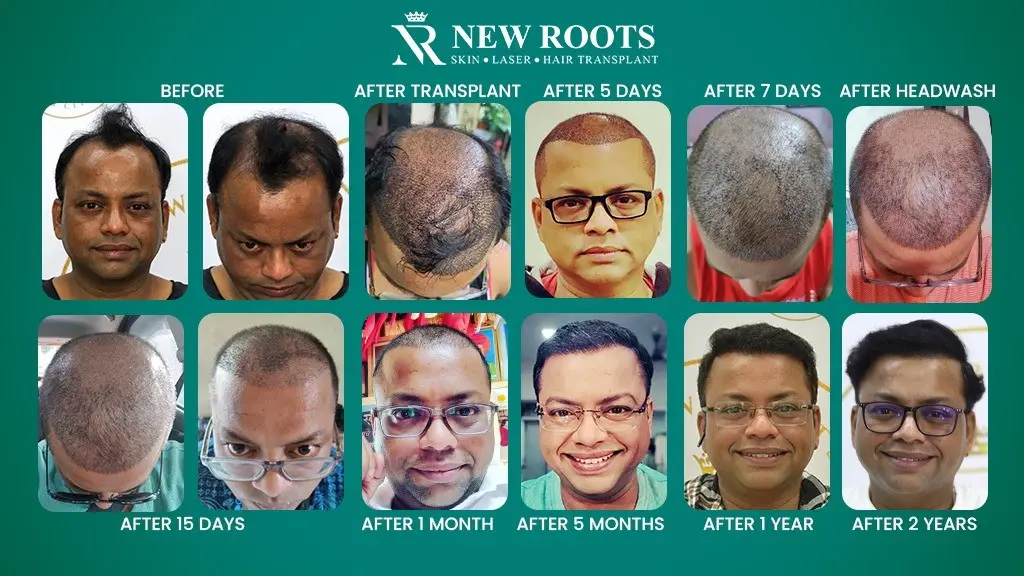
In severe cases, the hair restoration methods can create a forehead hairline and be of the same density permanently.
How Long Does It Take to See Results?
You will see the growth of forehead hair as slow, and it is going to require patience as well as consistency. The hair follicles have a natural cycle of growth, so even in the way and at the time you are best taking care of them, it is not going to be easy to see the results immediately.
Typical timeline:
- 4 to 6 weeks: There is a gradual reduction in the amount of hair loss, the scalp becomes healthier, and the blood circulation gets better. It follows that the itching or dryness that the patients commonly go through is also reduced.
- 2-3 months: Very fine baby hairs begin to appear on the forehead, which indicates that the dormant hair follicles have now become active.
- 6-9 months: The hair strands are thicker, stronger, and more visible; the density of the hairline is overall improved.
Final Thoughts
Growing hair on the forehead is not an overnight process; it’s a complicated task that involves proper scalp care, nutrition, and, above all, patience.
A healthy diet can support the growth of the hair follicles internally, while the home remedies will bring about the activity of the baby hairs.
For men with hereditary baldness who are losing their hairline, taking the step of prevention is important to do so early on.
Regardless of whether you aim to grow baby hairs on the forehead, how to grow hair faster on the forehead, or how to grow hair on the forehead naturally, steadfast effort and clear-cut expectations will give the best results over an extended period of time.
FAQs: Hair Growth on the Forehead
They are! The tiny hairs are indicators of the activity in the hair follicles. If the scalp is well taken care of and the person is well-nourished, even baby hairs could eventually become thicker with the passage of time. Baby hairs on the forehead can be naturally grown by being consistent in the routines throughout the whole process.
The natural methods of hair growth can sometimes give results in the very first 8-12 weeks. It may take up to six months or even more to see a noticeable increase in the thickness of hair, which, of course, depends on one’s genetic factors, diet, and how regularly one follows the hair care routines.
The answer is, yes. Home remedies, such as onion juice, aloe vera, and scalp massage, promote good blood flow and healthy hair follicles. The process is slow, but it is effective for those who are searching for ways to grow hair on forehead with home remedies.
Men facing a genetic recession of the hairline should begin their care routine as early as possible. Natural methods applied might delay the loss and strengthen the tiny hairs, but in the most severe situations, medical treatment may be the only option for hair regrowth.
Diet which is rich in proteins, iron, biotin, and omega-3 fatty acids will speed up hair growth. A well-balanced diet plays an important role in the process of how to grow hair faster on forehead and also maintains the health of the follicles.


